
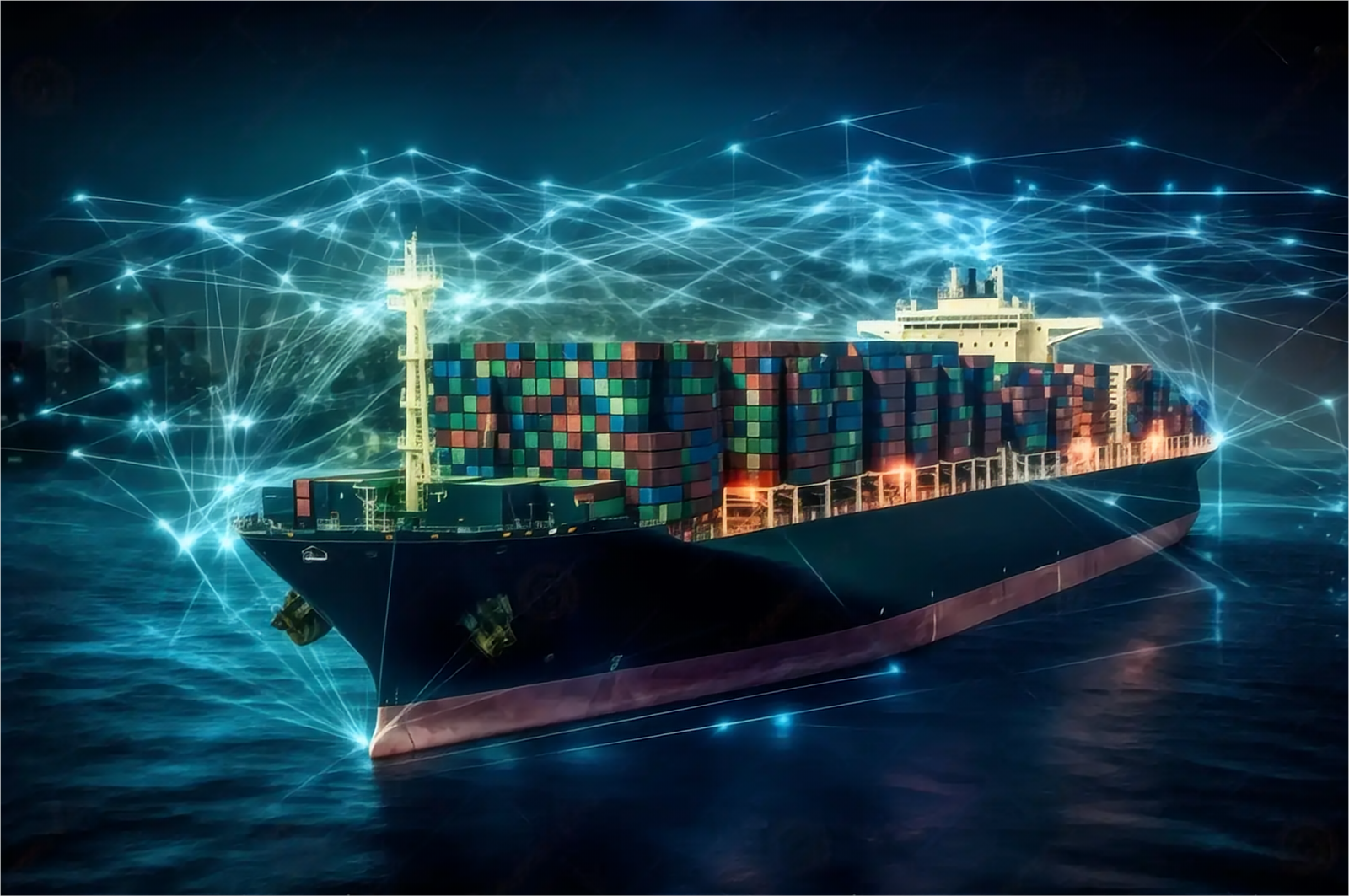
FCL Shipping China Italy: A Complete Guide to Ocean Freight
Navigating the complexities of fcl shipping china italy requires a strategic approach to ensure your cargo arrives safely and on time. Many businesses partner with Global Trade-Logistics to streamline their international supply chains and manage complex maritime regulations. This guide explores everything from current freight rates to cost-saving strategies for your Italian imports.

What Are the Primary Benefits of FCL Shipping China Italy?
Choosing Full Container Load services offers unparalleled security for high-volume shipments moving between these two major trading nations. Furthermore, when you utilize sea freight in an FCL capacity, your goods remain sealed from the point of origin until they reach the final destination. This isolation significantly reduces the risk of damage or loss that can occur during the handling of consolidated shipments.
Importers often prefer FCL because it provides a faster overall transit cycle compared to Less than Container Load options. Specifically, the cargo does not need to wait for other shipments to fill the container at the loading port. Consequently, this leads to more predictable delivery schedules and simplified inventory management for Italian businesses.
Moreover, the cost per unit of volume is typically much lower when you fill an entire 20ft or 40ft container. Therefore, companies shipping more than 15 cubic meters of goods find that FCL is the most economical way to manage their international logistics. Indeed, the financial advantages become even more apparent when dealing with heavy industrial machinery or large consumer goods orders.
How Does FCL Shipping China Italy Compare to Other Shipping Options?
Evaluating different transportation modes is essential for optimizing your budget and meeting strict delivery deadlines. While FCL is the standard for large volumes, alternative methods like rail freight offer a middle ground between speed and cost. However, maritime transport remains the dominant choice for the majority of trade between China and Italy due to its massive capacity.
In contrast, air freight serves as the fastest but most expensive method for urgent or high-value items. For instance, shipping a full container’s worth of volume by air would be cost-prohibitive for most standard commodities. Meanwhile, rail solutions provide a faster alternative to sea transport, often shaving two weeks off the transit time while costing significantly less than air.
Additionally, we must consider the trade-offs between direct sea routes and transshipment options. Direct routes to major ports like Genoa or La Spezia offer the highest reliability but may come at a slight premium. Conversely, transshipment through hubs like Piraeus or Port Said can lower costs but increases the risk of delays during the transfer process.
| Shipping Method | Cost Range (USD) | Transit Time | Best For |
|---|---|---|---|
| FCL Sea Freight | $2,200 – $5,200 | 30-40 Days | Bulk goods and large volumes |
| LCL Sea Freight | $50 – $150 per CBM | 35-45 Days | Small shipments under 15 CBM |
| Rail Freight | $4,500 – $7,000 | 18-22 Days | Urgent industrial components |
| Air Freight | $4.50 – $8.00 per kg | 5-8 Days | High-value or perishable items |
Which Option Should You Choose for Your Business?
Determining the right shipping strategy depends heavily on your specific budget priorities and the nature of your cargo. If your primary goal is cost minimization for non-urgent goods, FCL sea freight is almost always the superior choice. On the other hand, if you are launching a new product line and need stock urgently, a hybrid sea-air solution might be necessary.
Volume thresholds play a critical role in the decision-making process for most logistics managers. For example, once your shipment exceeds 15 cubic meters, the fixed costs of a 20GP container often become cheaper than the per-CBM rates of LCL. Furthermore, FCL simplifies the customs brokerage process because the entire container is documented under a single bill of lading.
Cargo type considerations also dictate the necessary equipment and routing. High-value electronics might require the speed of rail or air to reduce the cost of capital tied up in transit. Nevertheless, for standard consumer goods, furniture, or textiles, the traditional maritime route remains the backbone of the China-Italy trade corridor.
Understanding the Cost Factors for FCL Shipping China Italy
Freight rates are influenced by a variety of dynamic factors, including fuel surcharges and seasonal demand fluctuations. During the peak season from August to October, prices often rise by 20 percent or more as retailers prepare for the holiday rush. Consequently, booking your shipments several weeks in advance is vital for securing competitive pricing and guaranteed space on vessels.
Port congestion and local labor issues can also impact the total landed cost of your goods. In addition to the ocean freight, you must account for origin and destination charges such as terminal handling fees and documentation costs. Therefore, requesting an all-in quote from your forwarder is the best way to avoid unexpected expenses at the port of discharge.
Market data from early 2025 suggests that rates have stabilized following the disruptions in the Red Sea. Although transit times remain slightly longer due to ships rerouting around the Cape of Good Hope, the capacity has increased. Indeed, industry averages for a 40HQ container currently range between $3,800 and $5,200 depending on the specific Chinese port of loading.
| Container Type | Typical Capacity | Average Rate (Q1 2025) | Max Weight |
|---|---|---|---|
| 20GP Container | 33 CBM | $2,200 – $3,100 | 28,000 kg |
| 40GP Container | 67 CBM | $3,400 – $4,600 | 26,000 kg |
| 40HQ Container | 76 CBM | $3,800 – $5,200 | 26,000 kg |
Major Shipping Routes and Transit Times to Italy
Ships departing from major Chinese hubs like Shanghai, Ningbo, and Shenzhen typically follow the southern maritime route. Most vessels enter the Mediterranean Sea via the Suez Canal before docking at major Italian gateways like Genoa, Trieste, or Naples. Accordingly, the choice of port in Italy should be based on the final inland destination to minimize trucking costs.
Transit times vary significantly based on the carrier and the specific service string selected. A direct service from Shenzhen to Genoa might take approximately 30 days under ideal conditions. However, current geopolitical factors often extend this to 40 or 45 days if the vessel must bypass traditional routes for safety reasons.
Moreover, northern Italian industrial centers are often best served by the ports of Genoa or La Spezia. In contrast, eastern regions and trade with Central Europe often utilize the Port of Trieste due to its excellent rail connections. Selecting the right port of discharge is therefore a critical component of an efficient door to door logistics plan.

Essential Documentation and Customs Procedures
Successful importation into Italy requires meticulous attention to documentation to avoid costly delays at customs. The core documents include the Commercial Invoice, Packing List, and the Bill of Lading provided by the carrier. Additionally, a Certificate of Origin may be required to benefit from specific trade agreements or to verify the source of the goods.
Italian customs authorities are known for their rigorous inspection processes, particularly regarding safety standards and intellectual property. As a result, ensuring that all HS codes are correctly classified is essential for accurate duty calculation. Furthermore, importers must have a valid EORI number to conduct trade within the European Union.
Working with an experienced logistics provider can help navigate the complexities of VAT payments and tariff classifications. Many companies choose to utilize bonded warehouses to defer tax payments until the goods are ready for domestic distribution. Consequently, this strategy improves cash flow and provides greater flexibility in the supply chain.
Real Case Studies: China to Italy Shipments
Case Study 1: Solar Panel Distribution. Route: Ningbo, China to Genoa, Italy. Cargo: Solar Panels, 65 CBM, 18,000 kg. Container: 40HQ. Shipping Details: Major carrier via Cape of Good Hope. Port of Loading: Ningbo. Port of Discharge: Genoa. Cost Breakdown: Ocean Freight: $4,200; Origin Charges: $350; Destination Charges: $550; Customs and Duties: $1,200. Total Landed Cost: $6,300. Timeline: Booking to Loading: 5 days; Sea Transit: 42 days; Customs Clearance: 3 days. Total Door-to-Door: 50 days. Key Insight: Rerouting added 12 days to transit, but FCL ensured zero breakage for fragile panels.
Case Study 2: Industrial Machinery Import. Route: Shanghai, China to Trieste, Italy. Cargo: Textile Machinery, 28 CBM, 12,500 kg. Container: 20GP. Shipping Details: Direct service via Suez Canal. Port of Loading: Shanghai. Port of Discharge: Trieste. Cost Breakdown: Ocean Freight: $2,800; Origin Charges: $300; Destination Charges: $480; Customs and Duties: $2,100. Total Landed Cost: $5,680. Timeline: Booking to Loading: 4 days; Sea Transit: 32 days; Customs Clearance: 2 days. Total Door-to-Door: 38 days. Key Insight: Using Trieste allowed for immediate rail transfer to a factory in Milan, saving $400 in trucking fees.
Note: Freight rates are subject to change based on fuel costs, carrier capacity, and seasonal demand. Contact us for a current quote tailored to your specific shipment.
Final Thoughts on FCL Shipping China Italy
To summarize, fcl shipping china italy remains the most robust and cost-effective solution for businesses moving significant volumes of cargo. By understanding the nuances of container types, transit routes, and customs requirements, you can build a more resilient supply chain. Furthermore, partnering with a reliable forwarder ensures that you can adapt to market fluctuations and maintain a competitive edge.
Whether you are importing industrial equipment or consumer electronics, the key to success lies in careful planning and clear documentation. As global trade continues to evolve, staying informed about logistics trends and port operations will help you navigate the challenges of international shipping. Start optimizing your Italian imports today to achieve greater efficiency and lower overall costs.
Ready to streamline your logistics?
Streamline your international trade today by requesting a personalized quote for fcl shipping china italy. Our team of logistics experts is ready to help you optimize your costs and ensure a smooth customs process. Visit Global Trade-Logistics to start your shipment now.
Request Quote