1. Freight Forwarding Services China Fast Germany: Top Logistics Solutions | 2. Best Freight Forwarding Services China F
Navigating the complexities of international trade requires reliable Global Trade-Logistics solutions to maintain a competitive edge in the European market. Finding efficient freight forwarding services china fast germany is essential for businesses looking to minimize transit times and reduce overhead costs significantly. This comprehensive guide explores the most effective shipping methods, current market rates, and strategic alternatives to optimize your cargo flow from Chinese manufacturing hubs to German industrial centers.

How Does Air Freight Compare for Speed and Cost?
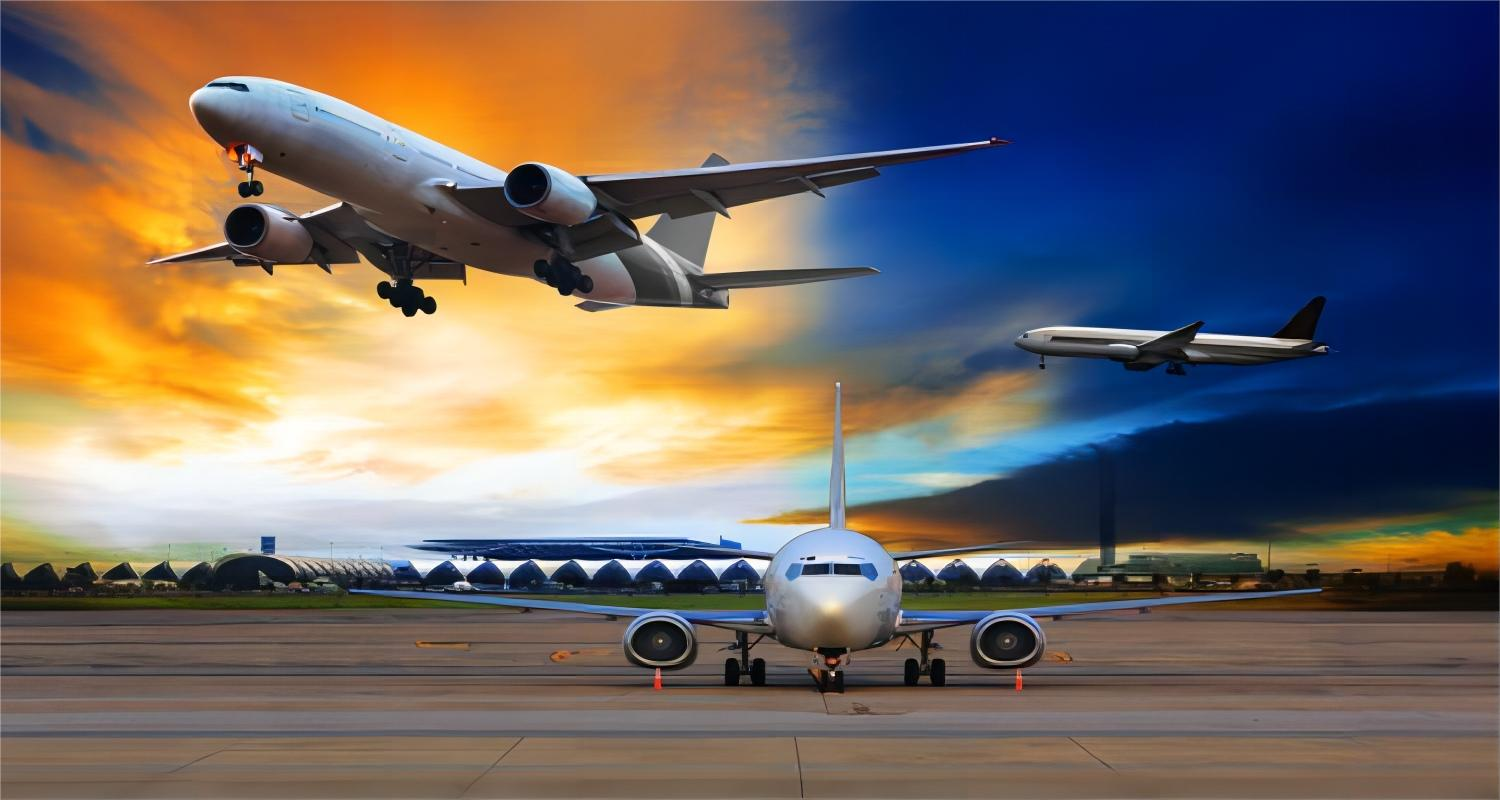
Air cargo remains the premier choice for businesses prioritizing speed above all other logistical factors. When utilizing air freight, shipments typically arrive at major German hubs like Frankfurt or Munich within a matter of days. Consequently, this method is ideal for high-value electronics, seasonal fashion, or urgent industrial components.
Moreover, the reliability of flight schedules ensures a predictable delivery window for time-sensitive inventory. While the cost per kilogram is substantially higher than other modes, the reduction in inventory holding costs often justifies the investment. Therefore, companies should weigh the premium pricing against the benefit of rapid market entry.
Specifically, express air services can reduce door-to-door transit times to as little as three to five business days. Additionally, the enhanced security protocols at airports minimize the risk of theft or damage during transit. As a result, many premium brands prefer this method for their most valuable cargo batches.
Express vs. Standard Air Freight
Express services offer the fastest possible transit by utilizing courier networks and dedicated cargo planes. In contrast, standard air freight uses commercial airlines, which can be more cost-effective while still providing relatively fast delivery. Businesses must decide between these options based on their specific budget constraints and urgency requirements.
Is Rail Freight the Best Middle-Ground Solution?
Rail transport has emerged as a highly effective alternative for those seeking a balance between speed and expense. By choosing rail freight, importers can enjoy transit times that are twice as fast as sea freight at a fraction of the cost of air. Indeed, the Iron Silk Road has revolutionized how goods move across the Eurasian landmass.
Furthermore, the stability of rail rates makes it an attractive option for long-term supply chain planning. Trains departing from cities like Xi’an or Chengdu reach Duisburg or Hamburg in approximately 15 to 22 days. Consequently, this method serves as an excellent contingency plan when air capacity is tight or sea routes are congested.
Notably, rail transport is also considered more environmentally friendly than air or sea transport per ton-mile. Many German corporations are increasingly adopting rail to meet their corporate sustainability goals without sacrificing significant speed. Accordingly, the infrastructure for rail logistics continues to expand across both China and Europe.
When Should You Choose Sea Freight for Germany?
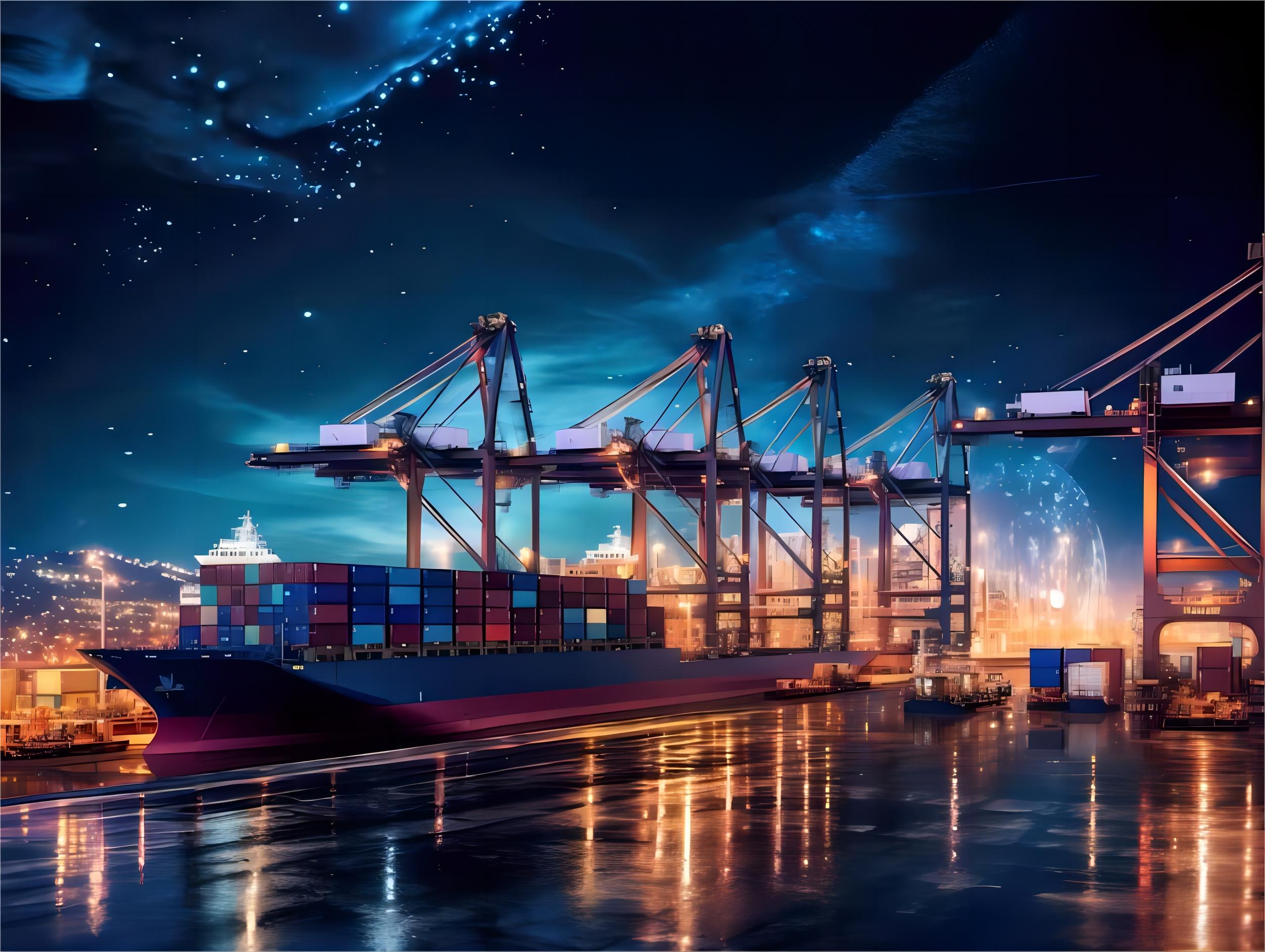
Sea transport remains the backbone of global trade due to its unmatched capacity for bulk shipments. Utilizing sea freight is the most economical strategy for transporting large volumes of goods over long distances. However, the longer transit times require meticulous planning to ensure inventory levels remain stable.
Typically, a container ship traveling from Shanghai to Hamburg takes between 30 and 45 days depending on the route. Despite the duration, the cost savings for heavy or bulky items are substantial compared to any other method. Therefore, it is the preferred choice for furniture, heavy machinery, and low-value consumer goods.
In addition, modern vessels are becoming more efficient, which helps stabilize freight rates even during volatile market periods. For shipments that do not fill an entire container, Less than Container Load (LCL) options provide a flexible and affordable entry point. On the other hand, Full Container Load (FCL) offers better security and faster handling at the port.
| Shipping Method | Cost Range | Transit Time | Best For | Limitations |
|---|---|---|---|---|
| Air Freight | $4.50 – $9.00 / kg | 3 – 7 Days | High-value, Urgent | High Cost |
| Rail Freight | $150 – $250 / CBM | 15 – 22 Days | Medium Volume | Fixed Routes |
| Sea Freight (FCL) | $3,000 – $4,500 / 40HQ | 30 – 45 Days | Bulk Goods | Slow Transit |
| Sea Freight (LCL) | $60 – $110 / CBM | 35 – 50 Days | Small Pallets | Handling Risk |
How Does Rail Compare to Other Shipping Options?
Evaluating the different modes of transport requires a deep understanding of your specific business needs and cargo characteristics. While sea freight costs $3,000-4,500 for a 40HQ, air freight for the same volume would cost $15,000-25,000 but arrives in 5-7 days instead of 35 days. Rail freight sits comfortably in the middle, offering a 20-day transit for approximately $6,000-8,000 per container.
For shipments under 15 CBM, LCL at $80/CBM may be more economical than a full container or air transport. Direct routes from Shenzhen to Hamburg cost 10-15% more but save 5-7 days compared to transshipment via Singapore. Consequently, the decision often hinges on the specific trade-off between capital tied up in inventory and the literal cost of the freight.
Hybrid solutions, such as sea-air via Dubai, can also provide a unique advantage by bypassing port congestion while keeping costs manageable. Another alternative is the truck-rail combination, which uses road transport to reach rail hubs faster. Without a doubt, the diversity of options allows for a highly customized logistics strategy.
Which Option Should You Choose?
Budget priority: If your primary goal is to minimize expenditure and your lead times are flexible, recommend sea freight. This method allows for the lowest landed cost per unit, especially for non-perishable goods. However, ensure you account for potential seasonal delays during peak periods like the Golden Week or Lunar New Year.
Speed priority: For product launches or stockouts, recommend air freight or express services. These methods ensure your products reach German shelves before the competition. Furthermore, the reduced risk of damage makes it suitable for sensitive electronic components.
Volume thresholds: Once your shipment exceeds 15 CBM, you should consider switching from LCL to FCL to optimize costs. For mid-sized shipments that are too heavy for air but too urgent for sea, rail freight is the logical choice. Cargo type considerations also play a role, as hazardous materials have strict limitations on air and rail routes.
Navigating Customs and Documentation in Germany
Clearing customs in Germany requires precise documentation and a thorough understanding of EU import regulations. Utilizing professional customs brokerage services can prevent costly delays and ensure compliance with VAT and duty requirements. For instance, an incorrect HS code can lead to significant fines or even cargo seizure.
Furthermore, German customs are known for their efficiency but also their strict adherence to safety and environmental standards. Consequently, ensuring all certifications like CE marking are in order is vital before the cargo leaves China. This proactive approach minimizes the time spent in bonded warehouses upon arrival.
Additionally, a door to door service often includes customs handling as part of the package. This comprehensive solution simplifies the process for the importer by providing a single point of contact. To summarize, proper preparation is the key to a seamless transition through the German border.
Real-World Case Studies for China to Germany Shipping
Case Study 1: Urgent Electronics Delivery Route: Shenzhen, China to Munich, Germany Cargo: High-end smartphone components, 1.2 CBM, 450 kg Container: LCL Air Freight Shipping Details: – Carrier: Major international air carrier – Port of Loading: Shenzhen Bao’an International – Port of Discharge: Munich Airport – Route Type: Direct Cost Breakdown: – Air Freight: $3,200 – Origin Charges: $250 – Destination Charges: $300 – Customs & Duties: $1,200 – Total Landed Cost: $4,950 Timeline: – Booking to Loading: 1 day – Air Transit: 2 days – Customs Clearance: 1 day – Total Door-to-Door: 4 days Key Insight: Air freight was the only viable option to meet the strict production deadline for a new product launch.
Case Study 2: Industrial Machinery via Rail Route: Chengdu, China to Duisburg, Germany Cargo: CNC Machining Equipment, 28 CBM, 12,000 kg Container: 40GP Rail Container Shipping Details: – Carrier: China-Europe Railway Express – Port of Loading: Chengdu Rail Terminal – Port of Discharge: Duisburg Intermodal Terminal – Route Type: Direct via Kazakhstan and Poland Cost Breakdown: – Rail Freight: $6,500 – Origin Charges: $450 – Destination Charges: $600 – Customs & Duties: $2,800 – Total Landed Cost: $10,350 Timeline: – Booking to Loading: 4 days – Rail Transit: 18 days – Customs Clearance: 2 days – Total Door-to-Door: 24 days Key Insight: Rail provided a 50% time saving compared to sea freight at a manageable price point during Q3 2024.
Case Study 3: Bulk Consumer Goods via Sea Route: Ningbo, China to Hamburg, Germany Cargo: Home textiles and décor, 68 CBM, 18,000 kg Container: 40HQ Sea Container Shipping Details: – Carrier: COSCO Shipping – Port of Loading: Ningbo-Zhoushan Port – Port of Discharge: Port of Hamburg – Route Type: Direct via Suez Canal Cost Breakdown: – Ocean Freight: $3,800 – Origin Charges: $350 – Destination Charges: $500 – Customs & Duties: $4,200 – Total Landed Cost: $8,850 Timeline: – Booking to Loading: 5 days – Sea Transit: 34 days – Customs Clearance: 3 days – Total Door-to-Door: 42 days Key Insight: Sea freight offered the lowest unit cost for high-volume inventory replenishment based on early 2025 rates.
Market Intelligence and 2025 Logistics Trends
As of Q1 2025, freight rates from China to Europe have stabilized after the significant disruptions seen in previous years. According to industry benchmarks, the capacity on rail routes has increased by 15%, providing more options for German importers. Meanwhile, sea freight rates are experiencing typical seasonal fluctuations but remain lower than the 2024 peaks.
Market data suggests that digital tracking and real-time visibility are no longer optional but expected by most European clients. Furthermore, the push for green logistics is driving investments in electric trucks for the final mile delivery in German cities. Consequently, choosing a forwarder with strong digital capabilities is becoming a competitive advantage.
Typical rates as of early 2025 indicate that while fuel surcharges remain volatile, overall shipping costs are becoming more predictable. However, businesses should still prepare for a 20% increase in rates during the August to October peak season. In conclusion, staying informed about these trends is crucial for maintaining an efficient supply chain.
Final Thoughts on Shipping from China to Germany
Choosing the right freight forwarding services china fast germany involves a careful analysis of your cargo, budget, and timeline. Whether you opt for the rapid delivery of air freight, the balanced efficiency of rail, or the massive capacity of sea transport, each method offers distinct advantages. By understanding the nuances of German customs and staying updated on market trends, you can ensure your goods move smoothly across borders.
Ultimately, a successful logistics strategy relies on partnership and planning. We recommend working with experienced professionals who can navigate the complexities of international trade on your behalf. Start optimizing your China-to-Germany shipping routes today to drive your business growth in the European market.
Ready to streamline your logistics?
Streamline your supply chain today with professional freight forwarding services china fast germany. Our team at Global Trade-Logistics is ready to provide you with a customized quote that balances speed and cost for your specific needs. Send Inquiry
Request Quote