

- By richard
- July 21, 2026
- Uncategorized
Factory to warehouse shipping is one of the most important steps in any global supply chain. Whether you’re importing products from China, Vietnam, or other manufacturing hubs, choosing the right shipping solution directly affects delivery speed, inventory levels, and overall logistics costs.
However, many importers struggle with shipping delays, unexpected customs fees, and inefficient warehouse planning. This guide explains everything you need to know about factory to warehouse shipping, including shipping methods, transit times, pricing factors, customs clearance, documentation, and practical strategies to improve supply chain efficiency while reducing costs.
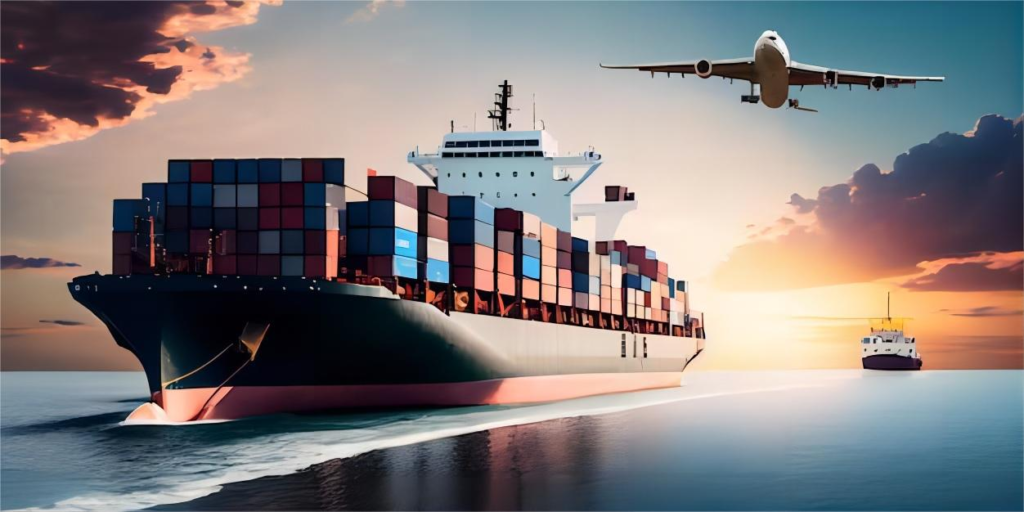
What Is Factory to Warehouse Shipping?
Factory to warehouse shipping refers to transporting finished products directly from a manufacturer’s facility to a warehouse, fulfillment center, distribution center, or third-party logistics (3PL) provider.
Instead of shipping products directly to customers, businesses first move inventory into warehouses where orders can be stored, managed, and distributed efficiently.
Typical shipping routes include:
| Shipping Route | Typical Use |
|---|---|
| Factory → Local Warehouse | Domestic distribution |
| Factory → Overseas Warehouse | International inventory |
| Factory → Amazon FBA Warehouse | E-commerce sellers |
| Factory → 3PL Warehouse | Outsourced fulfillment |
| Factory → Distribution Center | Retail supply chain |
Additionally, this shipping model improves inventory management while reducing fulfillment delays.
Why Is Factory to Warehouse Shipping Important?
Efficient logistics create a stronger supply chain.
Benefits include:
- Lower transportation costs
- Better inventory planning
- Faster customer fulfillment
- Reduced stock shortages
- Simplified import management
- Improved warehouse efficiency
- Better visibility across shipments
Moreover, businesses can consolidate multiple factory orders before shipping internationally, reducing freight costs significantly.
How Does Factory to Warehouse Shipping Work?

The shipping process usually follows several steps.
| Step | Description |
|---|---|
| Order Production | Manufacturer completes production |
| Quality Inspection | Products are checked before shipment |
| Packaging | Export-ready packing |
| Cargo Pickup | Freight forwarder collects goods |
| Export Customs | Export declaration completed |
| International Transport | Air, sea, rail, or truck |
| Import Customs | Customs clearance |
| Warehouse Delivery | Final unloading and storage |
Therefore, every stage should be carefully coordinated to prevent unnecessary delays.
Cargo Collection
Most freight forwarders arrange pickup directly from the factory.
This includes:
- Scheduling pickup
- Verifying cargo
- Checking packaging
- Confirming shipping labels
International Transportation
Depending on urgency and budget, cargo travels by:
- Sea freight
- Air freight
- Rail freight
- Truck freight
- Multimodal shipping
Additionally, GPS tracking allows businesses to monitor shipments throughout transit.
Case Study 1: Shipping Electronics from China to an Amazon FBA Warehouse
Shipment Details
| Item | Details |
|---|---|
| Origin | Shenzhen, China |
| Destination | Amazon FBA Warehouse, California |
| Cargo | 1,200 Bluetooth Speakers |
| Shipping Method | Sea Freight (FCL 40HQ) |
| Transit Time | 24 Days |
| Customs Clearance | 3 Days |
| Total Delivery Time | 27 Days |
The importer partnered with an experienced freight forwarder who arranged factory pickup, export customs clearance, ocean freight, and final truck delivery to the Amazon warehouse. Additionally, the forwarder scheduled the warehouse appointment in advance, preventing costly delivery delays.
As a result, the shipment arrived three days before the promotional campaign, helping the seller avoid stock shortages while reducing shipping costs by nearly 35% compared with air freight.
Which Shipping Method Is Best for Factory to Warehouse Shipping?
Different products require different shipping methods.
| Shipping Method | Transit Time | Cost | Best For | Advantages | Disadvantages |
|---|---|---|---|---|---|
| Sea Freight | 20–45 days | Lowest | Large cargo | Low cost | Slow |
| Air Freight | 3–8 days | Highest | Urgent shipments | Very fast | Expensive |
| Rail Freight | 15–25 days | Medium | Europe routes | Balanced | Limited coverage |
| Truck Freight | 1–10 days | Medium | Regional shipping | Flexible | Distance limitations |
| Express Courier | 2–6 days | Very High | Samples | Door-to-door | Small shipments |
Consequently, selecting the right transportation method depends on shipment size, delivery deadlines, and total logistics costs.
Case Study 2: Urgent Medical Equipment Shipment
A Canadian medical distributor urgently needed replacement diagnostic equipment from a manufacturer in Shanghai after a hospital experienced unexpected equipment failure.
Because delivery speed was critical, the company selected air freight instead of sea freight.
| Item | Details |
|---|---|
| Origin | Shanghai |
| Destination | Toronto |
| Cargo | Medical Equipment |
| Shipping Method | Air Freight |
| Transit Time | 4 Days |
| Customs Clearance | 1 Day |
| Total Delivery Time | 5 Days |
Moreover, electronic customs documentation was submitted before departure, allowing customs officials to begin processing the shipment while it was still in transit.
Consequently, the equipment reached the warehouse within five days, allowing the hospital to resume normal operations much sooner than expected.
How Much Does Factory to Warehouse Shipping Cost?
Shipping costs vary depending on several factors.
| Cost Factor | Impact |
|---|---|
| Shipping Method | Biggest cost difference |
| Cargo Volume | LCL vs FCL pricing |
| Weight | Important for air freight |
| Destination | Longer distance costs more |
| Fuel Prices | Variable surcharge |
| Customs Duties | Country-specific |
| Warehouse Fees | Storage and handling |
| Insurance | Optional but recommended |
Typical Freight Cost Comparison
| Shipping Method | Typical Cost Range |
|---|---|
| Sea Freight (LCL) | $80–$180 per CBM |
| Sea Freight (FCL 20GP) | $2,000–$5,500 |
| Sea Freight (40HQ) | $3,000–$8,000 |
| Air Freight | $4–$10 per kg |
| Rail Freight | $2,000–$7,000 per container |
| Truck Freight | Based on distance |
However, freight rates fluctuate according to market demand, seasonality, and fuel prices.
How Long Does Factory to Warehouse Shipping Take?
Transit time depends on transportation mode and destination.
Estimated Transit Time
| Destination | Sea | Air | Rail |
|---|---|---|---|
| USA West Coast | 18–28 days | 3–5 days | N/A |
| USA East Coast | 30–40 days | 4–7 days | N/A |
| Canada | 22–35 days | 3–6 days | N/A |
| Germany | 30–40 days | 4–7 days | 18–22 days |
| France | 30–42 days | 4–7 days | 18–24 days |
| UK | 30–40 days | 4–6 days | 20–25 days |
| Australia | 18–30 days | 4–6 days | N/A |
Additionally, customs clearance may add several extra days depending on local regulations.
Factors Affecting Transit Time
- Customs inspections
- Weather conditions
- Port congestion
- Peak shipping season
- Warehouse appointment schedules
- Documentation accuracy
Therefore, planning shipments in advance helps avoid unnecessary delays.

What Documents Are Needed?
Accurate paperwork ensures smooth customs clearance.
| Document | Required |
|---|---|
| Commercial Invoice | Yes |
| Packing List | Yes |
| Bill of Lading / Air Waybill | Yes |
| Purchase Order | Often |
| Certificate of Origin | Sometimes |
| Import License | Depends on product |
| Customs Declaration | Yes |
| Insurance Certificate | Optional |
Moreover, keeping digital copies speeds up customs processing.
How Can You Reduce Factory to Warehouse Shipping Costs?
Reducing logistics expenses requires planning rather than simply choosing the cheapest freight option.
Consolidate Shipments
Combining multiple supplier orders into one shipment reduces transportation costs.
Choose the Right Container
Selecting between LCL and FCL can significantly impact overall shipping expenses.
Plan Ahead
Booking cargo early usually secures better freight rates.
Improve Packaging
Efficient packaging lowers volumetric weight and maximizes container space.
Work With Experienced Freight Forwarders
Professional logistics providers negotiate better carrier rates and manage customs efficiently.
Additionally, experienced partners reduce costly shipping errors.
Should You Use Door-to-Door Shipping?
Door-to-door shipping handles the entire transportation process.
Services usually include:
- Factory pickup
- Export customs
- International freight
- Import customs
- Warehouse delivery
Advantages include:
- Simplified logistics
- One contact point
- Lower administrative workload
- Better shipment visibility
However, businesses should compare total costs with port-to-port shipping before making a decision.
How Does Factory to Warehouse Shipping Support Supply Chain Management?
Efficient transportation improves every stage of supply chain management.
Benefits include:
| Supply Chain Area | Improvement |
|---|---|
| Inventory Control | Better stock accuracy |
| Procurement | Faster replenishment |
| Warehousing | Higher efficiency |
| Customer Service | Faster deliveries |
| Cash Flow | Lower inventory holding costs |
| Forecasting | Improved planning |
Furthermore, integrating warehouse management systems (WMS) with shipment tracking provides better operational visibility.
Inventory Optimization
Timely deliveries reduce both overstocking and stock shortages.
Better Warehouse Scheduling
Predictable arrival times improve labor planning and warehouse operations.
What Challenges Can Occur During Factory to Warehouse Shipping?
Even well-planned shipments can encounter disruptions.
| Challenge | Possible Solution |
|---|---|
| Port congestion | Book early |
| Customs delays | Prepare complete documents |
| Weather disruptions | Add transit buffer |
| Damaged cargo | Purchase insurance |
| Container shortages | Reserve space earlier |
| Peak season delays | Ship before holidays |
Therefore, proactive planning minimizes supply chain risks.
What Are the Latest Logistics Trends?
Modern logistics continues to evolve rapidly.
Current trends include:
- Real-time shipment tracking
- AI-powered route optimization
- Warehouse automation
- Digital customs documentation
- Sustainable transportation
- Carbon emissions reporting
- Smart inventory forecasting
- Integrated supply chain platforms
Moreover, companies investing in digital logistics often experience faster deliveries and lower operating costs.
Before your next factory to warehouse shipping project, consider working with an experienced freight forwarding partner that can manage factory pickup, international transportation, customs clearance, and final warehouse delivery. A tailored logistics solution can reduce shipping costs, improve transit reliability, and simplify your entire supply chain. Request a customized shipping quote to identify the most efficient option for your cargo and destination.
Conclusion
Factory to warehouse shipping is a critical part of international logistics that directly influences costs, delivery performance, and inventory management. By selecting the right transportation method, preparing accurate customs documentation, optimizing packaging, and partnering with experienced logistics providers, businesses can build a more resilient and efficient supply chain. Whether you ship by sea, air, rail, or multimodal transport, careful planning and reliable execution will help reduce delays, control expenses, and ensure your products arrive at the warehouse safely and on time.
FAQ
What is factory to warehouse shipping?
Factory to warehouse shipping is the process of transporting finished products from a manufacturer’s facility to a warehouse, fulfillment center, or distribution hub. It can include factory pickup, export customs clearance, international freight, import customs, and final delivery. Businesses use this shipping model to improve inventory management, support retail distribution, and prepare products for customer fulfillment. Choosing the right shipping method depends on cargo size, delivery deadlines, and budget.
Which shipping method is the most cost-effective?
Sea freight is generally the most economical option for large shipments because it offers the lowest transportation cost per unit. However, if your shipment is small or urgently needed, air freight or express shipping may provide better overall value despite higher rates. Rail freight is another cost-effective choice for certain Europe-bound shipments. Comparing transit time, freight charges, customs costs, and warehouse requirements helps determine the most suitable solution.
How long does factory to warehouse shipping usually take?
Transit time depends on the shipping method, destination, customs procedures, and seasonal demand. Air freight typically arrives within 3–8 days, while sea freight usually takes 20–45 days. Rail freight commonly requires 15–25 days on supported routes. Additional time may be needed for customs inspections, port handling, and warehouse appointments. Planning shipments early and preparing accurate documentation can help reduce delays.
What documents are required for international shipments?
Most international shipments require a commercial invoice, packing list, bill of lading or air waybill, and customs declaration. Some products may also need a certificate of origin, import license, inspection certificate, or insurance documentation. Requirements vary by destination country and product category. Preparing complete and accurate paperwork before shipment helps prevent customs delays and additional charges.
How can businesses reduce shipping costs?
Businesses can lower shipping costs by consolidating cargo, choosing the appropriate container size, booking freight in advance, improving packaging efficiency, and selecting the right transportation method. Working with experienced freight forwarders also helps negotiate better carrier rates and avoid costly shipping mistakes. Regularly reviewing logistics performance and warehouse operations can further improve supply chain efficiency while reducing expenses.