

- By richard
- July 28, 2026
- Uncategorized
If you’re wondering how to choose a freight forwarder, you’re not alone. Many importers focus only on shipping prices, but choosing the wrong logistics partner can lead to customs delays, damaged cargo, unexpected fees, and missed delivery deadlines. Fortunately, with the right information, you can avoid these common mistakes.
This guide explains how to evaluate freight forwarding companies, compare shipping options, understand pricing, and select a reliable logistics partner. Whether you’re shipping your first order or managing regular imports, these practical tips will help you make a confident decision.
What Does a Freight Forwarder Actually Do?
Before learning how to choose a freight forwarder, it’s important to understand what they do.
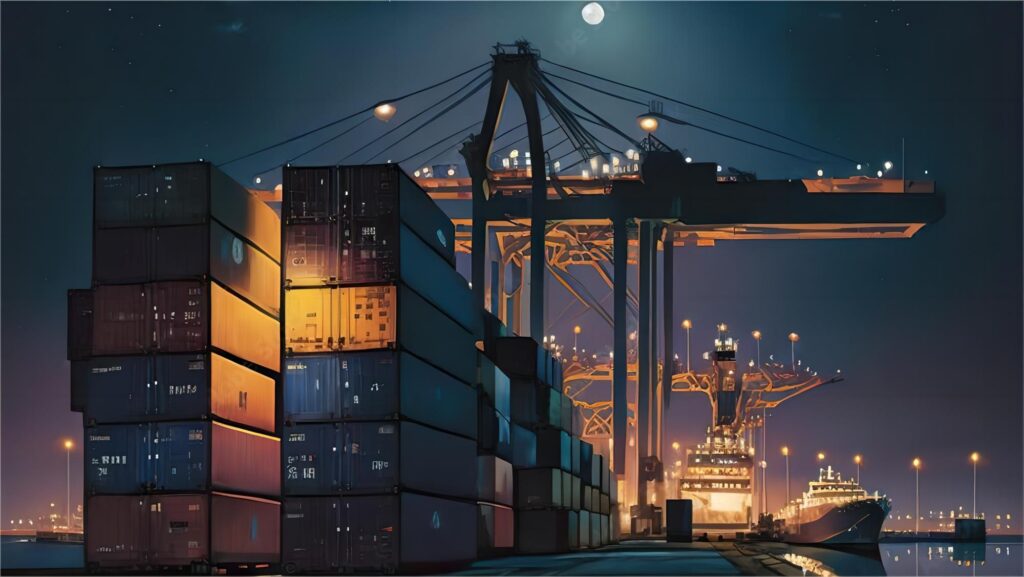
A freight forwarder doesn’t usually own ships, airplanes, or trucks. Instead, they organize the entire shipping process by working with different transportation companies and service providers.
Typical freight forwarding services include:
- Booking cargo space
- Planning shipping routes
- Export and import documentation
- Customs clearance
- Cargo insurance
- Warehousing
- Amazon FBA shipping
- Door-to-door delivery
- Shipment tracking
A professional freight forwarder acts as your logistics partner, helping reduce shipping risks while improving supply chain efficiency.

Why Is Choosing the Right Freight Forwarder So Important?
Many businesses believe every freight forwarder offers the same service. However, the difference between a good and a poor forwarder can be significant.
Choosing the wrong company may result in:
| Problem | Possible Result |
|---|---|
| Poor communication | Missed shipping updates |
| Limited customs knowledge | Customs delays |
| Hidden charges | Higher shipping costs |
| Weak carrier network | Longer transit time |
| Poor cargo handling | Damaged products |
| Lack of experience | Delivery schedule problems |
On the other hand, an experienced freight forwarder helps you:
- Reduce logistics costs
- Improve shipping reliability
- Solve customs issues quickly
- Recommend the best shipping method
- Provide flexible logistics solutions
Therefore, selecting the right partner isn’t only about transportation—it’s about protecting your entire supply chain.
How to Choose a Freight Forwarder Based on Your Shipping Needs?
One of the biggest mistakes importers make is choosing a freight forwarder before understanding their own shipping requirements.
Start by asking yourself a few simple questions.
What Are You Shipping?
Different cargo requires different handling.
| Cargo Type | Recommended Service |
|---|---|
| Small packages | Express shipping |
| Electronics | Air freight |
| Heavy machinery | Sea freight |
| Urgent products | Air cargo |
| Amazon FBA inventory | FBA shipping service |
| Oversized equipment | Project cargo logistics |
Where Is Your Cargo Going?
Transit times and shipping costs vary depending on the destination.
| Destination | Air Freight | Sea Freight |
|---|---|---|
| USA | 5–8 days | 25–40 days |
| Canada | 6–9 days | 28–40 days |
| UK | 5–7 days | 30–38 days |
| Germany | 5–8 days | 30–40 days |
| Australia | 6–9 days | 18–30 days |
Knowing your destination helps a freight forwarder recommend the most efficient shipping solution.
How Fast Do You Need Delivery?
If delivery speed is critical, air freight may be worth the extra cost.
However, if reducing shipping costs is the priority, sea freight usually offers better value for large shipments.
A reliable freight forwarder should explain these trade-offs instead of simply recommending the most expensive option.

Should You Compare Prices or Overall Service?
Many first-time importers immediately choose the lowest shipping quote.
However, the cheapest option isn’t always the most affordable.
Some freight forwarders offer very low initial prices but later add fees for documentation, customs processing, storage, fuel surcharges, or destination handling.
Instead, compare the total logistics solution.
| Comparison Item | Low-Cost Forwarder | Professional Forwarder |
|---|---|---|
| Initial quotation | Low | Transparent |
| Hidden fees | Common | Rare |
| Shipment tracking | Limited | Real-time |
| Customs support | Basic | Professional |
| Communication | Slow | Fast |
| Problem solving | Limited | Experienced |
Therefore, always request a detailed quotation before making your decision.
Real Case: Saving Costs by Choosing the Right Freight Forwarder
A furniture retailer in Texas planned to import three containers of wooden dining tables from Shenzhen. The supplier introduced a freight forwarder offering a shipping rate nearly 15% lower than other companies.
At first, the offer looked attractive. However, after the cargo arrived in Los Angeles, the importer received additional invoices for destination handling charges, storage fees, customs document amendments, and terminal service costs. These unexpected expenses increased the total logistics cost by almost US$3,000, making the shipment more expensive than competing quotes.
For the next shipment, the company selected an experienced freight forwarder that provided an itemized quotation covering transportation, customs support, and destination charges upfront. Although the initial quote was slightly higher, the shipment arrived on schedule with no surprise fees, allowing the importer to better manage inventory and maintain delivery commitments to retail customers.
This example shows that when learning how to choose a freight forwarder, transparency and service quality are often more valuable than choosing the lowest advertised price.
How Can You Check a Freight Forwarder's Experience and Reliability?
When learning how to choose a freight forwarder, experience should be one of your top considerations. A freight forwarder with years of industry knowledge usually understands shipping routes, customs regulations, carrier selection, and potential risks.
However, not every company with a website is a reliable logistics partner. Before making a decision, check the following factors:
| Evaluation Factor | What to Check |
|---|---|
| Industry experience | Years in international logistics |
| Main shipping routes | Experience with your destination country |
| Customer reviews | Feedback from previous clients |
| Certifications | Industry qualifications and memberships |
| Communication speed | Response time and problem-solving ability |
| Service range | Sea freight, air freight, customs, warehousing |
A professional freight forwarder should be able to clearly explain your shipping plan, estimated transit time, customs process, and possible risks.
Does Industry Experience Really Matter?
Yes. Different products require different logistics solutions.
For example, shipping electronics from China to the US requires careful handling of customs requirements, product documentation, and delivery schedules. Meanwhile, oversized machinery may require special equipment and project cargo experience.
Therefore, choosing a forwarder familiar with your product category can reduce delays and unexpected costs.
What Shipping Methods Should a Good Freight Forwarder Provide?
A reliable freight forwarder should offer multiple transportation options instead of only one solution. This allows businesses to balance shipping costs, transit time, and inventory needs.
| Shipping Method | Cost | Transit Time | Best For |
|---|---|---|---|
| Express | High | 3–7 days | Small urgent shipments |
| Air Freight | Medium-High | 5–10 days | Valuable or time-sensitive goods |
| Sea Freight | Low | 20–45 days | Large volume cargo |
| Rail Freight | Medium | 15–25 days | China-Europe shipments |
Air Freight vs Sea Freight vs Rail Freight
| Method | Advantages | Disadvantages |
|---|---|---|
| Air Freight | Fast delivery, reliable schedule | Higher cost, limited capacity |
| Sea Freight | Low cost, suitable for bulk cargo | Longer transit time |
| Rail Freight | Faster than sea, cheaper than air | Limited routes |
A good logistics partner should recommend the best method based on your business goals, rather than simply selling the most profitable service.
How Do Customs Services Affect Your Shipping Process?
Customs clearance is one of the most important parts of international shipping. Even if your cargo arrives on time, incorrect documents or customs problems can delay delivery.
When selecting a freight forwarder, check whether they provide professional customs support.
Common customs documents include:
| Document | Purpose |
|---|---|
| Commercial Invoice | Shows product value and transaction details |
| Packing List | Provides cargo quantity and packaging information |
| Bill of Lading | Proof of shipment and transportation contract |
| Certificate of Origin | Confirms product origin |
| Import License | Required for some regulated products |
A skilled freight forwarder can help prepare documents, classify products correctly, and communicate with customs authorities.
Real Case: Avoiding Customs Delays Through Professional Support
A US-based online seller imported kitchen accessories from China for an Amazon FBA warehouse. The company initially selected a low-cost shipping provider that only handled transportation but offered limited customs assistance.
When the shipment arrived, several product classification details were incorrect, causing customs clearance delays of nearly two weeks. Because the inventory was delayed, the seller experienced stock shortages during a busy sales period.
Later, the seller worked with a freight forwarder offering complete door-to-door shipping and customs support. The forwarder reviewed product information before shipment, prepared accurate documents, and coordinated directly with customs agents.
As a result, the following shipment reached the Amazon warehouse on schedule, helping the seller maintain stable inventory levels.
This case shows that choosing a freight forwarder with customs expertise can directly affect your business performance.
How Do You Compare Freight Forwarding Costs?
When deciding how to choose a freight forwarder, shipping price is important, but it should not be the only factor. A professional forwarder should provide a clear quotation that includes all major costs, helping you avoid unexpected charges.
Common freight forwarding costs include:
| Cost Item | Description |
|---|---|
| Ocean/Air Freight | Main transportation cost |
| Origin Charges | Pickup, warehouse, export handling |
| Customs Fees | Import clearance and document processing |
| Destination Charges | Port handling and delivery fees |
| Insurance | Protection against cargo damage or loss |
Before choosing a company, ask for a detailed shipping quote and compare the total cost, not just the freight rate.
What Factors Affect Shipping Costs?
Shipping costs depend on several factors:
| Factor | Impact on Cost |
|---|---|
| Cargo weight | Heavier shipments usually cost more |
| Cargo volume | Large goods increase transportation fees |
| Shipping method | Air freight costs more than sea freight |
| Destination | Longer routes increase expenses |
| Delivery service | Door-to-door service costs more than port delivery |
Moreover, a good freight forwarder can often reduce costs by selecting better routes, combining shipments, or negotiating better carrier rates.
What Questions Should You Ask Before Hiring a Freight Forwarder?
Before signing an agreement, asking the right questions can help you avoid future problems.
A reliable freight forwarder should provide clear answers about services, pricing, and shipment management.
| Question | Why It Matters |
|---|---|
| Which countries do you mainly serve? | Checks route experience |
| Do you handle customs clearance? | Reduces customs risks |
| Can you provide shipment tracking? | Improves visibility |
| What charges are included? | Avoids hidden fees |
| How do you handle delays? | Tests problem-solving ability |
| Do you offer door-to-door shipping? | Checks service flexibility |
Additionally, check whether the company has experience with your product type. A forwarder familiar with your industry can provide better advice on packaging, documents, and delivery schedules.
What Is the Final Checklist for Choosing the Right Freight Forwarder?
Choosing a freight forwarder becomes easier when you compare different companies using a simple checklist.
| Checklist Item | Yes/No |
|---|---|
| Has experience with your shipping route | ✓ |
| Provides transparent quotations | ✓ |
| Offers multiple shipping methods | ✓ |
| Understands customs requirements | ✓ |
| Provides shipment tracking | ✓ |
| Has good customer communication | ✓ |
| Can support your future growth | ✓ |
A strong logistics partner should not only move your goods but also help improve your overall supply chain.
Final Example: How the Right Forwarder Improves Business Growth
A small e-commerce company in the UK started importing home products from China. At the beginning, the company used different shipping providers based mainly on price. However, inconsistent transit times and unclear delivery schedules caused frequent inventory problems.
After working with an experienced freight forwarding company, the business created a stable shipping plan. The forwarder helped select suitable sea freight routes, arrange customs clearance, and provide warehouse delivery services.
Within several months, the company reduced unexpected logistics costs and improved inventory management. More importantly, reliable delivery allowed the business to maintain better relationships with customers.
This example demonstrates that a freight forwarder is not only a transportation provider but also an important part of your international supply chain.
Choosing the right logistics partner can save time, reduce risks, and improve your import and export operations. If you are still unsure how to choose a freight forwarder, working with an experienced company can help you compare shipping options, control costs, and create a more efficient delivery plan. Contact our team today to discuss your shipping needs and request a customized freight forwarding solution.
How Does DDP Shipping Support Global Supply Chains?
Modern supply chains depend on reliable transportation networks. Therefore, choosing the right shipping method can directly affect business performance.
DDP shipping supports international supply chains by creating a smoother connection between manufacturers, warehouses, and final customers.
For example, a company importing products from China can use DDP services to move goods from a factory directly to its warehouse without separately arranging customs brokers, carriers, and local delivery companies.
The main supply chain benefits include:
| Supply Chain Benefit | Explanation |
|---|---|
| Better cost control | Multiple logistics fees are combined |
| Reduced operational workload | Fewer suppliers need to be managed |
| Improved delivery planning | More predictable schedules |
| Lower customs risk | Professionals handle import procedures |
Furthermore, reliable DDP services help companies maintain stable inventory levels and reduce disruptions caused by international shipping problems.
How Can You Select a Reliable DDP Shipping Provider?
Choosing the right logistics partner is one of the most important decisions when importing products.
A professional DDP provider should have experience with international transportation, customs clearance, and destination delivery services.
Before choosing a provider, businesses should check:
| Evaluation Factor | What to Look For |
|---|---|
| Industry experience | Knowledge of your product category |
| Shipping network | Multiple transportation options |
| Transparent pricing | Clear breakdown of costs |
| Customer support | Fast communication and updates |
| Tracking service | Shipment visibility |
Moreover, a good freight forwarding company should provide realistic delivery estimates instead of promising unrealistic arrival times.
For example, a trustworthy provider will explain possible delays caused by customs inspections, holidays, or transportation changes.
If you are looking for a reliable logistics solution, our professional freight forwarding team can help you optimize your DDP shipping transit time, reduce unnecessary shipping risks, and create a suitable transportation plan based on your cargo type, destination, and budget. Contact us today to request a customized shipping quote and discover a simpler way to manage your international supply chain.
Conclusion
Knowing how to choose a freight forwarder helps businesses avoid shipping problems, reduce costs, and improve supply chain efficiency. The right partner should provide transparent pricing, reliable transportation options, customs expertise, and strong communication.
Whether you need sea freight, air freight, Amazon FBA shipping, or door-to-door delivery, choosing an experienced freight forwarder can make international shipping easier and more predictable. By evaluating service quality instead of only price, you can build a long-term logistics partnership that supports business growth.
FAQ
1. How do I choose a freight forwarder for international shipping?
When choosing a freight forwarder, consider their experience, service range, pricing transparency, and communication ability. A reliable company should understand your shipping route, provide customs support, and offer suitable transportation options. Additionally, check customer reviews and ask for detailed quotations before making a decision. The best freight forwarder is not always the cheapest one but the company that provides reliable service, predictable costs, and professional support throughout the shipping process.
2. What should I look for in a freight forwarding company?
You should look for a freight forwarding company with experience in your industry and destination market. Important factors include customs knowledge, global carrier connections, shipment tracking systems, and responsive customer service. Moreover, the company should clearly explain shipping costs, transit time, and possible risks before shipment. A professional forwarder should act as a logistics partner rather than simply arrange transportation.
3. Is the cheapest freight forwarder always the best choice?
No. The lowest shipping quote may not represent the lowest total cost. Some companies offer cheap rates but add extra charges later, such as handling fees, storage costs, or customs service fees. Therefore, compare complete quotations and evaluate service quality, communication, and reliability. A slightly higher upfront cost can often save money by preventing delays and unexpected expenses.
4. Should I choose air freight or sea freight?
The choice depends on your budget, cargo type, and delivery requirements. Air freight is faster and suitable for urgent or valuable products, but it has higher shipping costs. Sea freight is slower but more affordable for large shipments. Additionally, rail freight can be a middle option for certain international routes. A professional freight forwarder can help select the best method based on your business needs.
5. Can a freight forwarder help with customs clearance?
Yes. Many professional freight forwarders provide customs clearance services. They help prepare documents, check product information, and communicate with customs authorities. This support can reduce the risk of delays caused by incorrect paperwork or classification problems. Therefore, choosing a forwarder with customs experience is especially important for international import and export businesses.
6. How can I reduce international shipping costs?
You can reduce shipping costs by choosing the right transportation method, optimizing packaging, planning shipments in advance, and working with an experienced freight forwarder. Additionally, consolidating smaller shipments into larger ones can lower transportation expenses. A professional logistics partner can analyze your shipping needs and recommend cost-effective solutions.