
- By richard
- July 28, 2026
- Uncategorized
Finding a reliable OEM shipping service is essential for businesses that manufacture products overseas and need smooth international delivery. Many companies face challenges such as high shipping costs, complicated customs procedures, uncertain transit time, and supply chain delays when importing OEM products.
However, with the right logistics partner, businesses can simplify the entire process from factory pickup to final delivery. This guide explains how OEM shipping works, which transportation methods are available, how to reduce costs, and how professional freight forwarding services help companies build a more efficient global supply chain.
What Is OEM Shipping Service and How Does It Work?
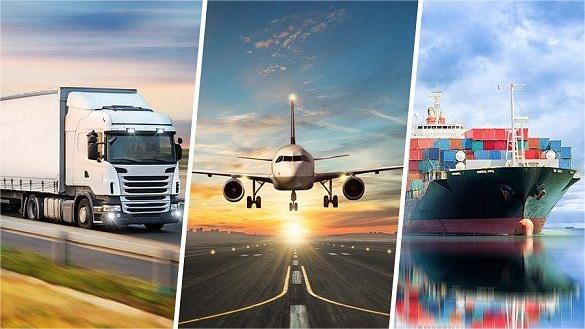
An OEM shipping service is a specialized logistics solution designed for companies that purchase customized products manufactured by another company. OEM (Original Equipment Manufacturer) businesses usually produce goods according to a buyer’s specifications, including product design, packaging, branding, and quality requirements.
Therefore, OEM shipping involves more than simply moving cargo from one country to another. It requires coordination between manufacturers, freight forwarders, customs brokers, warehouses, and final delivery providers.
The typical OEM shipping process includes:
| Step | Process | Description |
|---|---|---|
| 1 | Product Manufacturing | Factory produces customized products according to buyer requirements |
| 2 | Quality Inspection | Products are checked before shipment |
| 3 | Factory Pickup | Logistics company collects goods from the supplier |
| 4 | Export Customs Clearance | Documents are prepared for international export |
| 5 | International Transportation | Cargo moves by sea, air, rail, or express |
| 6 | Import Customs Clearance | Destination country customs procedures are completed |
| 7 | Final Delivery | Goods are delivered to warehouse, store, or customer |
Moreover, professional OEM logistics providers help businesses manage documentation, transportation schedules, and unexpected shipping issues.
Why Do Businesses Need Professional OEM Shipping Service?
Many companies choose OEM manufacturing because it reduces production costs and allows them to create customized products. However, international shipping can become complicated without proper logistics support.
A professional OEM shipping service helps solve common problems including:
| Common Challenge | How OEM Shipping Service Helps |
|---|---|
| High international shipping costs | Provides optimized shipping routes and volume-based solutions |
| Complex customs requirements | Handles export and import documentation |
| Long delivery times | Selects suitable transportation methods |
| Supplier communication problems | Coordinates directly with factories |
| Supply chain uncertainty | Provides shipment tracking and updates |
Additionally, experienced freight forwarders understand different market requirements and can recommend suitable shipping solutions based on product type, destination, and delivery schedule.
For example, a company importing customized electronics from China may need special packaging, battery transportation approval, and strict customs documentation. Without professional support, delays and extra costs may occur.
How Does OEM Shipping Service Reduce Shipping Costs?
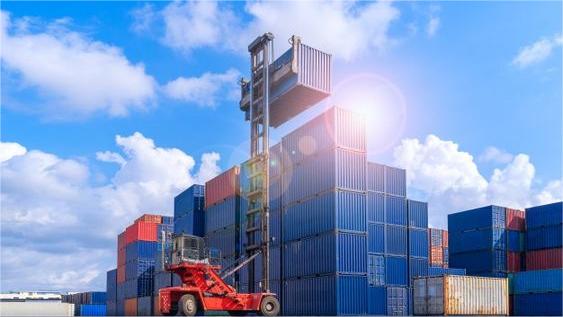
Reducing logistics expenses is one of the biggest reasons companies use professional OEM shipping solutions. Although manufacturing costs may be low, poor transportation planning can significantly increase the total import cost.
Therefore, businesses should consider multiple factors when calculating OEM shipping costs.
| Cost Factor | Impact on Shipping Price |
|---|---|
| Product volume | Larger shipments usually reduce unit shipping costs |
| Transportation method | Air freight costs more but delivers faster |
| Destination country | Distance and local fees affect total cost |
| Customs duties | Import taxes vary by product category |
| Packaging | Special packaging may increase expenses |
| Delivery requirements | Door-to-door service costs more than port delivery |
For example, a company importing 5,000 customized promotional items may find sea freight more economical than air freight because the shipment volume is large. However, if the products are seasonal items with a strict delivery deadline, air freight may provide better business value.
Long-tail Keywords Related to OEM Shipping Costs
Businesses often search for:
- affordable OEM shipping service from China
- OEM product shipping cost calculator
- cheapest way to ship OEM products internationally
- door to door OEM shipping solutions
- OEM factory to warehouse shipping service
Moreover, freight specialists can combine different shipping methods to balance cost and delivery speed.
Which Shipping Methods Are Available for OEM Products?
OEM products can be transported through several international shipping methods. The best choice depends on cargo size, urgency, destination, and budget.
| Shipping Method | Cost Level | Transit Time | Best For | Advantages | Disadvantages |
|---|---|---|---|---|---|
| Sea Freight | Low | 20–45 days | Large OEM orders | Cheapest for bulk cargo | Longer delivery time |
| Air Freight | High | 3–10 days | Urgent products | Fast delivery | Higher shipping cost |
| Rail Freight | Medium | 12–25 days | China-Europe shipments | Balance of cost and speed | Limited routes |
| Express Shipping | Very High | 3–7 days | Samples and small orders | Fast and simple | Expensive for large cargo |
Generally, sea freight is the most popular option for OEM manufacturers because many customized products are shipped in large quantities.
However, companies selling seasonal goods, electronics, fashion products, or new product launches may prefer faster transportation methods.
Sea Freight vs Air Freight vs Rail Freight for OEM Shipping Service
Choosing the correct transportation method directly affects inventory levels, customer satisfaction, and overall supply chain performance.
| Feature | Sea Freight | Air Freight | Rail Freight |
|---|---|---|---|
| Shipping Cost | Lowest | Highest | Medium |
| Speed | Slow | Fastest | Moderate |
| Cargo Capacity | Very Large | Limited | Medium |
| Suitable Products | Furniture, machinery, bulk goods | Electronics, samples, urgent products | Industrial goods, e-commerce products |
| Environmental Impact | Lower per unit | Higher | Medium |
Additionally, many businesses use a combined logistics strategy. For instance, they may ship most inventory by sea freight while sending urgent replacement products by air freight.
How Long Does OEM Shipping Service Take?
The OEM shipping transit time depends on the origin country, destination, transportation method, customs process, and delivery requirements.
Below is an estimated shipping timeline from China to major markets:
| Destination | Sea Freight | Air Freight | Rail Freight |
|---|---|---|---|
| United States | 25–40 days | 5–8 days | Not commonly used |
| United Kingdom | 25–35 days | 4–7 days | 18–22 days |
| Germany | 30–40 days | 5–8 days | 16–20 days |
| Canada | 25–45 days | 5–9 days | Limited |
| Australia | 20–35 days | 4–7 days | Not available |
However, these times are estimates. Customs inspections, holidays, port congestion, and documentation errors can affect the final delivery schedule.
For this reason, professional OEM shipping providers monitor logistics trends and adjust transportation plans when necessary.
What Are the Main Factors Affecting OEM Shipping Costs?
Understanding the factors that influence OEM shipping costs helps businesses create better budgets and avoid unexpected expenses. Although product prices are often the main focus during OEM sourcing, transportation costs can also significantly affect the final import cost.
Moreover, shipping expenses are not determined by one single factor. They depend on cargo volume, shipping method, destination, customs requirements, and delivery services.
| Factor | How It Affects OEM Shipping Costs |
|---|---|
| Cargo Weight and Volume | Larger and heavier shipments usually require more transportation space |
| Shipping Route | Longer distances and complex routes may increase costs |
| Freight Method | Sea freight is cheaper, while air freight provides faster delivery |
| Product Category | Special goods may require additional handling or certificates |
| Customs Duties | Import taxes and clearance fees vary by country |
| Packaging Requirements | Customized packaging may increase shipping expenses |
| Delivery Type | Door-to-door shipping costs more than port-to-port delivery |
For example, a U.S. company ordering 10,000 customized fitness accessories from a Chinese manufacturer may choose sea freight because the shipment volume is large. By using a full container load (FCL), the company can reduce the average shipping cost per unit compared with sending multiple smaller shipments.
However, if the same company needs a small batch of products for a product launch event, air freight may be a better choice despite the higher cost because faster delivery creates more business value.
Real Case Study: How an OEM Brand Improved Its Global Supply Chain
A practical example shows how choosing the right logistics strategy can improve OEM shipping efficiency.
Case Study 1: US E-commerce Brand Importing Customized Electronics
A U.S.-based e-commerce company worked with a Chinese factory to produce customized smart accessories with its own branding and packaging. Initially, the company managed shipping independently but experienced several problems:
| Problem | Impact |
|---|---|
| Incorrect shipping documents | Customs delays |
| Choosing unsuitable shipping methods | Higher transportation costs |
| Poor shipment tracking | Unclear delivery schedules |
| Lack of supplier coordination | Production and shipping delays |
After working with a professional OEM shipping service provider, the company improved its logistics process:
| Solution | Result |
|---|---|
| Factory pickup coordination | Reduced communication problems |
| Export documentation support | Faster customs clearance |
| Sea freight optimization | Lower shipping expenses |
| Shipment tracking system | Better inventory planning |
As a result, the company reduced unnecessary logistics costs and received more stable delivery schedules. Additionally, the improved supply chain management allowed the business to maintain better inventory levels during peak sales seasons.
How Does OEM Shipping Service Handle Customs Clearance?
Customs clearance is one of the most important parts of international OEM transportation. Many businesses experience delays because of missing documents, incorrect product information, or unfamiliar import regulations.
Therefore, professional logistics providers help prepare and check the necessary paperwork before shipment.
Common Customs Documents for OEM Products
| Document | Purpose |
|---|---|
| Commercial Invoice | Shows product value and transaction details |
| Packing List | Provides information about cargo quantity and packaging |
| Bill of Lading | Confirms transportation agreement |
| Certificate of Origin | Shows where products were manufactured |
| Import License | Required for certain product categories |
| Product Certificates | Required for regulated goods |
Moreover, different countries have different customs requirements. For example, electronics, medical products, food items, and cosmetics may require additional certifications before entering the market.
A reliable OEM shipping partner can help businesses understand these regulations and reduce the risk of customs penalties or shipment delays.
What Is the Best OEM Shipping Method for Different Products?
Different OEM products require different logistics solutions. Choosing the wrong transportation method may increase costs or create unnecessary delays.
| Product Type | Recommended Shipping Method | Reason |
|---|---|---|
| Furniture | Sea Freight | Large volume and lower cost |
| Electronics | Air Freight / Sea Freight | Depends on urgency and product value |
| Clothing | Sea Freight | Suitable for bulk shipments |
| Small Samples | Express Shipping | Fast delivery for testing |
| Industrial Equipment | Sea Freight / Rail Freight | Handles heavy cargo |
| Seasonal Products | Air Freight + Sea Freight Combination | Balances speed and cost |
For instance, a fashion company launching a new seasonal collection may ship most inventory by sea freight several months in advance. However, it may use air freight for additional stock when demand increases unexpectedly.
This combined approach helps businesses maintain flexibility while controlling logistics costs.
Can OEM Shipping Service Support Door-to-Door Delivery?
Yes. Many businesses prefer door-to-door OEM shipping solutions because they simplify international logistics. Instead of managing multiple transportation providers, companies can rely on one logistics partner from factory pickup to final delivery.
A typical door-to-door OEM shipping process includes:
| Stage | Service Provided |
|---|---|
| Factory Pickup | Collect products from OEM manufacturer |
| Export Handling | Complete export procedures |
| International Shipping | Transport cargo to destination country |
| Import Clearance | Handle customs requirements |
| Local Delivery | Deliver goods to warehouse or business location |
Additionally, door-to-door shipping is especially useful for small and medium-sized businesses that may not have an experienced logistics team.
For example, a startup importing private-label home products from China may not understand international customs procedures. A door-to-door OEM shipping service allows the company to focus on sales and marketing while logistics professionals manage transportation.
How Can Businesses Choose a Reliable OEM Shipping Service Provider?
Selecting the right logistics partner is important because shipping problems can directly affect customer satisfaction and business growth.
When evaluating an OEM shipping company, businesses should consider the following factors:
| Evaluation Factor | Why It Matters |
|---|---|
| Industry Experience | Experienced providers understand OEM supply chains |
| Global Network | Helps manage international routes effectively |
| Customs Knowledge | Reduces clearance risks |
| Tracking System | Provides shipment visibility |
| Flexible Shipping Options | Supports different cargo requirements |
| Customer Support | Helps solve unexpected problems |
Furthermore, businesses should check whether the provider can handle factory communication, warehouse services, packaging requirements, and international documentation.
A good freight partner does not only move cargo. Instead, it helps optimize the entire import/export process.
How Does OEM Shipping Service Improve Supply Chain Efficiency?
Modern businesses require more than basic transportation. They need reliable logistics solutions that improve inventory management, reduce delays, and support international growth.
A professional OEM shipping service can improve supply chain efficiency through:
| Service | Business Benefit |
|---|---|
| Shipment Tracking | Better visibility of cargo movement |
| Warehousing Solutions | Easier inventory management |
| Route Optimization | Lower transportation expenses |
| Customs Support | Faster international delivery |
| Multiple Shipping Options | More flexible supply chain planning |
Moreover, global logistics trends are changing rapidly. Companies are increasingly focusing on faster delivery, digital tracking, sustainable transportation, and flexible inventory strategies.
Therefore, choosing an experienced OEM logistics partner helps businesses adapt to changing market conditions.
How Can OEM Shipping Service Support Small and Medium Businesses?
For small and medium-sized businesses, international shipping can often feel complicated because they may lack experience with customs, freight negotiation, and global transportation planning. However, a professional OEM shipping service allows smaller companies to access the same logistics advantages as larger importers.
Moreover, OEM logistics providers can offer flexible solutions based on order volume, budget, and delivery requirements.
| Business Situation | Recommended OEM Shipping Solution |
|---|---|
| New business ordering product samples | Express shipping or air freight |
| Small quantity product orders | Consolidated shipping (LCL) |
| Regular bulk production orders | Full container load (FCL) |
| Urgent inventory replenishment | Air freight service |
| Long-term supply chain management | Integrated logistics solutions |
For example, a startup selling private-label kitchen products may initially import small quantities from China. Instead of booking an expensive full container, the company can use LCL shipping to share container space with other shipments. As sales increase, the business can gradually move to FCL shipping to reduce the cost per unit.
This flexible approach helps companies control expenses while building a stable international supply chain.
What Are the Benefits of Using an OEM Freight Forwarder?
Working with an experienced freight forwarder provides more than transportation services. A professional logistics partner manages multiple parts of the shipping process and helps businesses avoid common international trade problems.
The main benefits include:
| Benefit | Explanation |
|---|---|
| Lower Shipping Costs | Freight forwarders negotiate better rates through shipping volume |
| Professional Customs Support | Helps prepare documents and avoid clearance problems |
| Better Delivery Planning | Provides accurate transit time estimates |
| Factory Coordination | Communicates directly with OEM manufacturers |
| Risk Management | Handles unexpected delays and transportation issues |
Additionally, freight forwarders can recommend the most suitable shipping method based on product category, destination, and business goals.
For example, a European retailer importing customized furniture may combine sea freight with local warehouse delivery. This solution reduces storage pressure and allows products to reach customers more efficiently.
Real Case Study: European Retailer Using DDP OEM Shipping Service
A European home decoration company partnered with Chinese OEM factories to produce customized furniture products. Initially, the company used traditional port-to-port shipping and managed customs independently.
However, several problems occurred:
| Issue | Result |
|---|---|
| Lack of customs knowledge | Unexpected import delays |
| Incorrect tax calculation | Increased logistics expenses |
| Multiple logistics providers | Difficult shipment management |
| Limited tracking information | Poor inventory planning |
The company later switched to a DDP OEM shipping service solution, where the logistics provider managed transportation, customs clearance, taxes, and final delivery.
After optimization:
| Improvement | Business Result |
|---|---|
| One-stop logistics management | Easier communication |
| Professional customs handling | Reduced clearance risks |
| Door-to-door delivery | More predictable delivery schedule |
| Better cost planning | Improved profit margins |
This example shows that the right OEM shipping strategy can help businesses simplify international trade and focus on product development and sales.
What Should Businesses Prepare Before Starting OEM Shipping?
Before arranging international transportation, businesses should prepare essential information about their products and shipping requirements.
A clear preparation process helps avoid delays and unexpected charges.
| Preparation Item | Details Needed |
|---|---|
| Product Information | Product name, material, quantity, specifications |
| Supplier Details | Factory location and contact information |
| Packaging Information | Carton size, weight, labeling requirements |
| Destination Information | Delivery address and import country |
| Shipping Preference | Sea, air, rail, or express shipping |
| Required Documents | Certificates, invoices, licenses |
Furthermore, companies should communicate their delivery schedule clearly. For example, businesses preparing for holiday sales should arrange OEM production and shipping several months in advance.
Early planning allows logistics providers to select better shipping routes and avoid peak-season congestion.
How Will OEM Shipping Service Develop in the Future?
The global logistics industry continues to change due to technology development, customer expectations, and international trade trends.
In the future, OEM shipping services are expected to focus more on:
| Logistics Trend | Impact on OEM Shipping |
|---|---|
| Digital Tracking Systems | Better shipment visibility |
| Automated Documentation | Faster customs processing |
| Sustainable Transportation | Lower environmental impact |
| Supply Chain Data Analysis | Improved decision-making |
| Flexible Delivery Models | More customized logistics solutions |
Moreover, businesses are increasingly looking for logistics partners that can provide complete supply chain solutions instead of simple transportation.
Therefore, choosing an experienced OEM shipping provider can help companies stay competitive in global markets.
A reliable OEM shipping service can help businesses simplify international transportation, reduce unnecessary costs, and improve supply chain performance. Whether you are importing small quantities or managing large OEM production orders, choosing the right shipping solution is essential for long-term success.
Contact our logistics team today to discuss your OEM shipping requirements and receive a customized shipping solution. Our professional freight forwarding services help businesses manage factory pickup, international transportation, customs clearance, and final delivery with greater efficiency.
Conclusion
Choosing the right OEM shipping service is an important step for businesses that rely on global manufacturing and international trade. From reducing shipping costs and managing customs clearance to improving delivery schedules and supply chain efficiency, professional logistics support can make OEM imports easier and more reliable.
Whether you are a startup importing your first customized products or an established company managing large-scale production, a trusted OEM shipping partner can provide flexible solutions that match your business needs.
By selecting the right transportation method and planning shipments effectively, companies can improve efficiency, control expenses, and build stronger global supply chains.
FAQ
1. What is an OEM shipping service?
An OEM shipping service is a logistics solution designed for businesses that purchase customized products from manufacturers and need international transportation support. It covers the entire shipping process, including factory pickup, export procedures, freight transportation, customs clearance, and final delivery.
Unlike standard shipping services, OEM shipping requires better coordination because products are often customized according to buyer specifications. A professional provider helps manage communication between manufacturers, warehouses, and transportation companies. Therefore, businesses can reduce delays, control shipping costs, and create a more reliable global supply chain.
2. How much does OEM shipping service cost?
The cost of an OEM shipping service depends on several factors, including cargo volume, product type, destination country, shipping method, and customs requirements.
For example, sea freight is usually the most affordable option for large OEM orders, while air freight provides faster delivery but costs more. Additional expenses may include customs duties, insurance, warehouse fees, and local delivery charges.
Therefore, businesses should request a detailed shipping quote based on their specific requirements instead of estimating costs only by product quantity. A professional freight forwarder can help compare different options and find a balance between price and delivery speed.
3. How long does OEM shipping from China take?
The transit time for OEM shipping from China depends on the transportation method and destination.
Generally, sea freight takes around 20–45 days, air freight usually takes 3–10 days, and rail freight may take 12–25 days depending on the route.
However, actual delivery time can be affected by customs inspections, production schedules, holidays, and port congestion. Therefore, businesses should plan shipments early and work with logistics providers that can provide accurate delivery schedules and real-time tracking information.
4. Is sea freight or air freight better for OEM products?
The best choice depends on product type, order volume, and delivery requirements.
Sea freight is usually better for large OEM orders because it offers lower shipping costs and higher cargo capacity. It is commonly used for furniture, clothing, machinery, and bulk products.
On the other hand, air freight is suitable for urgent shipments, samples, and high-value products because it provides faster delivery.
Many companies use a combined strategy by shipping regular inventory through sea freight and urgent products through air freight. This approach helps balance cost control and delivery speed.
5. Can OEM shipping services handle customs clearance?
Yes. Most professional OEM shipping providers can assist with customs clearance and related documentation.
They help prepare important documents such as commercial invoices, packing lists, certificates of origin, and shipping documents. Additionally, they understand import regulations in different countries and can reduce the risk of delays caused by incorrect paperwork.
Customs requirements vary depending on product category and destination market. Therefore, working with an experienced logistics partner can make the import process smoother and more predictable.
6. What documents are required for OEM international shipping?
Common documents required for OEM international shipping include commercial invoices, packing lists, bills of lading, and certificates of origin.
Depending on the product category, additional documents may be required, such as safety certificates, testing reports, or import licenses.
Preparing accurate documentation before shipment helps prevent customs delays and additional costs. Moreover, professional freight forwarders usually review documents before transportation begins to ensure compliance with international trade requirements.
7. How can businesses choose the right OEM shipping provider?
Businesses should evaluate an OEM shipping provider based on experience, service range, transportation network, and customer support.
A reliable provider should understand OEM supply chains, communicate effectively with factories, offer multiple shipping methods, and provide shipment tracking.
Additionally, businesses should check whether the company can handle customs clearance, warehouse services, and door-to-door delivery. Choosing the right logistics partner helps reduce risks and creates a more stable international supply chain.