
Shipping from China to Germany Customs Clearance: A 2026 Guide
Navigating the complexities of shipping from China to Germany customs clearance requires precision and expert knowledge of EU import regulations. If you are looking for a reliable partner to manage your supply chain, start your journey at Global Trade-Logistics. Whether you are a first-time importer or a seasoned business, understanding the regulatory landscape is essential for avoiding costly delays and ensuring timely delivery.

Essential Steps for Shipping from China to Germany Customs Clearance
First, you must obtain an EORI number, which is mandatory for any business moving goods into or out of the European Union. Second, accurate classification of your goods using HS codes is vital to determine the correct import duties and VAT rates applied by German authorities.
Third, ensure all commercial invoices, packing lists, and certificates of origin are clearly labeled and error-free. Furthermore, partnering with a professional service for customs brokerage can significantly reduce the risk of administrative hold-ups at the border.
Choosing the Right Transport Method
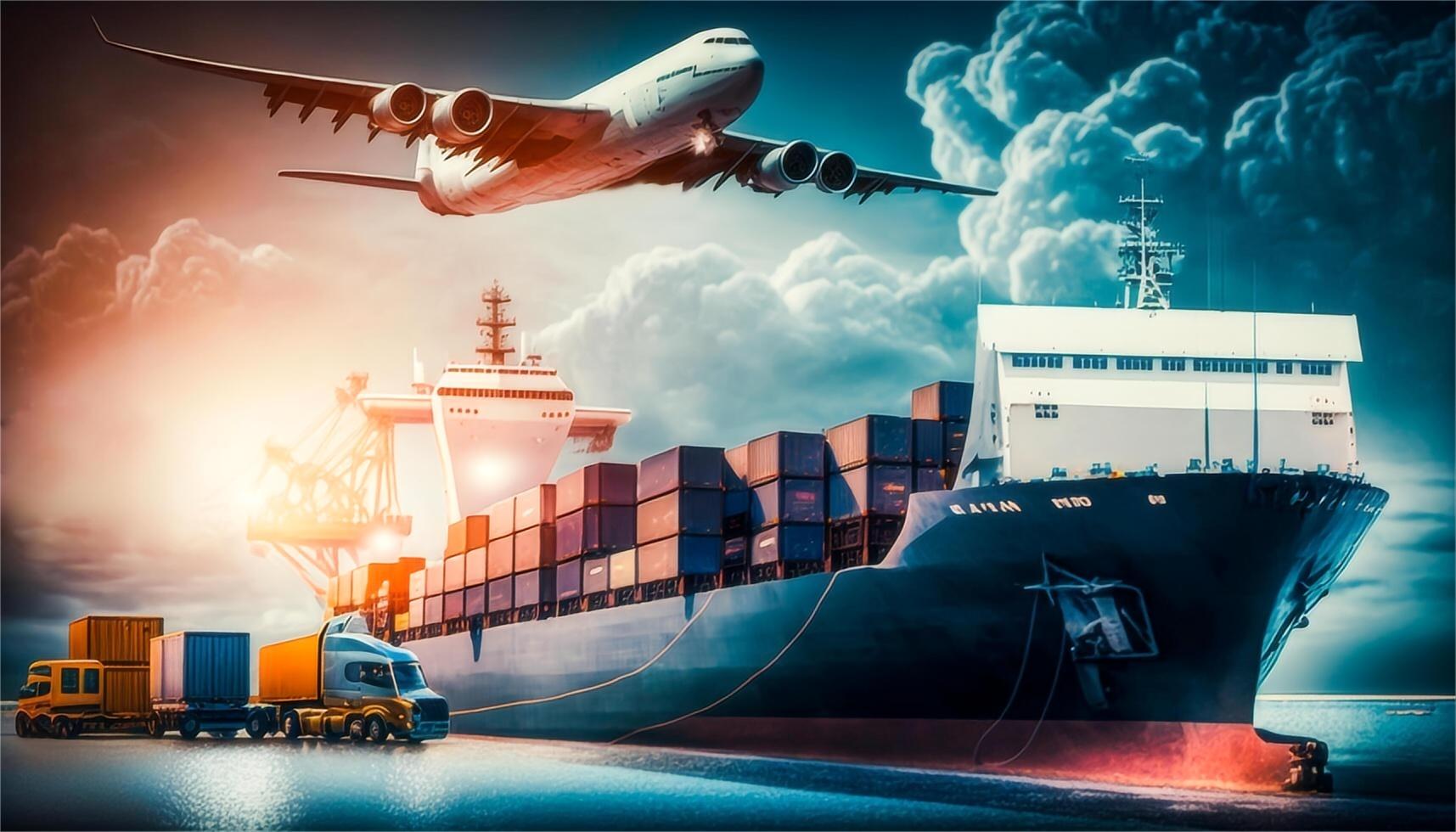
Selecting the optimal transport mode depends on your specific budget, volume, and urgency. For large quantities, sea freight remains the most cost-effective solution for long-distance international trade. If you require a faster delivery schedule, air freight is the preferred choice for high-value or time-sensitive items.
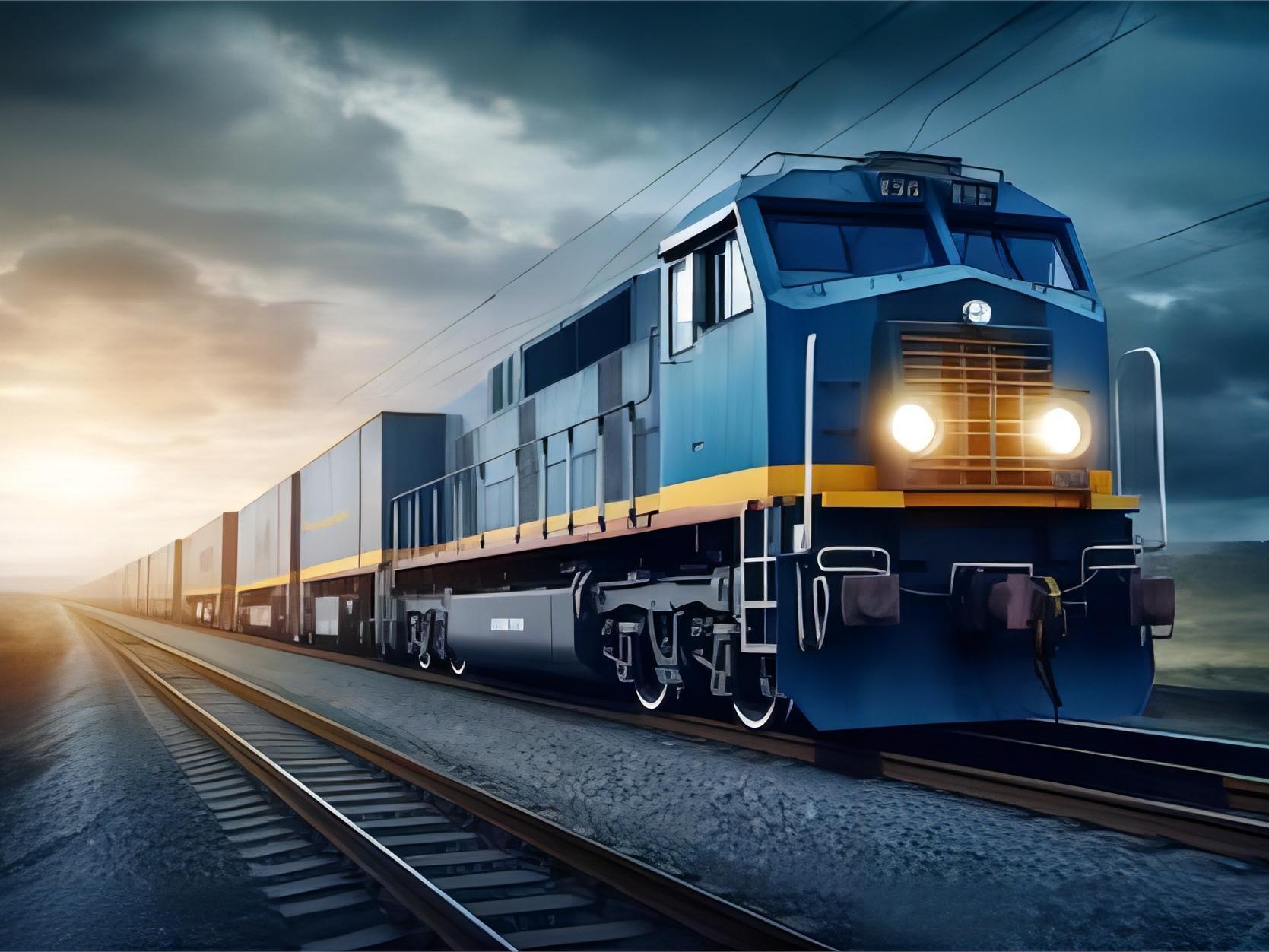
Moreover, businesses can leverage rail freight as a balanced middle-ground option that offers faster transit times than sea but at a lower price point than air. Finally, for complex logistics needs, our door to door service ensures a seamless transition from the factory floor in China to your warehouse in Germany.
| Method | Cost | Transit Time | Best For |
|---|---|---|---|
| Sea Freight | Low | 30-40 Days | Large Volume |
| Air Freight | High | 5-10 Days | Urgent Cargo |
| Rail Freight | Medium | 18-22 Days | Balanced Needs |
How Does Sea Freight Compare to Other Shipping Options?
Sea freight is the industry standard for bulk shipping, though it is the slowest option available. In contrast, air freight provides unmatched speed but at a significantly higher cost per kilogram. Rail freight serves as a strategic alternative, bridging the gap by offering a more efficient route through Central Asia.
Market data suggests that while rates fluctuate based on fuel surcharges in 2026, sea freight remains the most stable for long-term supply chain planning. Note: Freight rates are subject to change based on fuel costs, carrier capacity, and seasonal demand. Contact us for a current quote tailored to your specific shipment.
Final Thoughts on Customs Compliance
Successfully managing shipping from China to Germany customs clearance requires proactive planning and strict adherence to EU import laws. By prioritizing accurate documentation and selecting the right logistics partner, you can minimize risks and improve your bottom line.
Indeed, global trade success relies on transparency and expertise. Reach out to our logistics specialists today to optimize your next shipment.
Need a tailored shipping solution?
Are you ready to streamline your international supply chain? Contact our team at Global Trade-Logistics today to request a quote and ensure your shipping from China to Germany customs clearance goes off without a hitch.
Frequently Asked Questions
What is an EORI number?
An EORI number is a unique identification number required for all businesses operating within the EU to conduct customs activities and import goods.
How long does customs clearance take?
Customs clearance typically takes between 1 to 5 business days, provided that all documentation is accurate and all import duties are paid promptly.
Are there specific taxes for importing to Germany?
Yes, importers are generally subject to import VAT and custom duties based on the product’s HS code and the declared value of the goods.
Can I ship hazardous materials?
Shipping hazardous goods is possible but requires strict compliance with international safety regulations, specialized packaging, and detailed declarations.
What documents are required?
Key documents include the commercial invoice, packing list, bill of lading or air waybill, and any necessary certificates of origin or compliance.
How can I track my shipment?
Most logistics providers offer online tracking portals where you can monitor your cargo status from the point of origin to final delivery in Germany.