
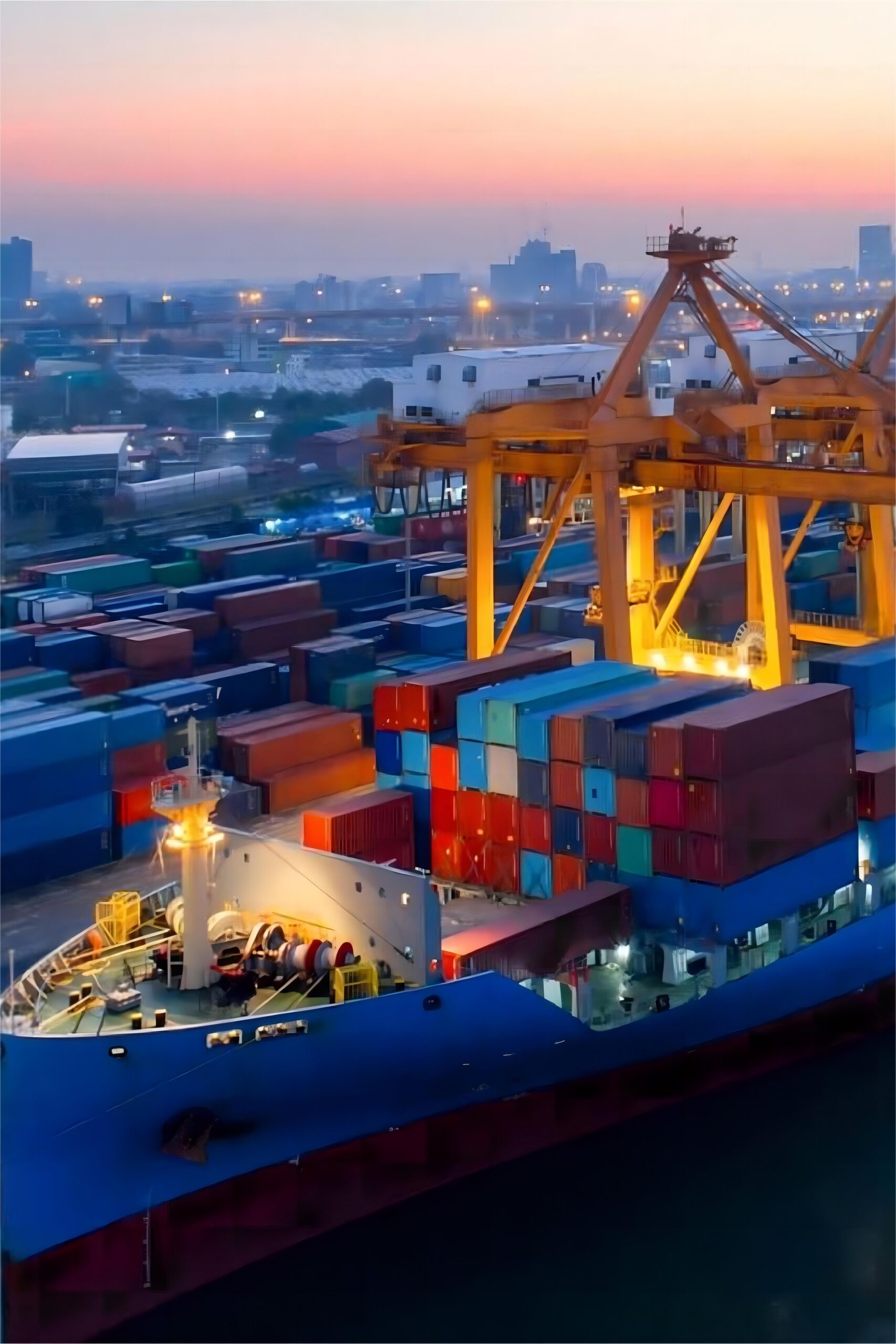
Shipping from China to France: Freight Forwarder Guide 2026
Successfully shipping from China to France requires a reliable partner to manage complex logistics and customs requirements. For businesses seeking streamlined operations, Global Trade-Logistics provides comprehensive supply chain solutions at https://globaltrade-logistics.com/. Whether you are importing consumer goods or industrial machinery, understanding your transport options is the first step toward reducing costs and transit times.

Essential Shipping Methods for China to France
Choosing the right transport mode depends on your cargo volume, budget, and urgency. For large-scale inventory, consider sea freight to optimize your long-term logistics costs.
Conversely, if your goods require rapid delivery, air freight remains the fastest solution despite higher price points. Meanwhile, businesses targeting mid-range speed and cost efficiency often utilize rail freight, which provides a balanced alternative between ocean and air transit.
How Does Shipping from China to France Compare?
Comparing transport modes is critical for maintaining healthy profit margins in 2026. The following table illustrates the primary trade-offs between available shipping solutions for this route.
| Method | Cost Range | Transit Time | Best For |
|---|---|---|---|
| Sea Freight | Low | 30-40 days | Bulk Goods |
| Air Freight | High | 5-7 days | Urgent Items |
| Rail Freight | Medium | 18-22 days | High-Value Cargo |
Optimizing Your Supply Chain and Customs
Importing goods into the European Union demands strict adherence to customs regulations. Utilizing professional customs brokerage services ensures that your documentation is accurate and prevents costly delays at French ports.
Furthermore, for e-commerce sellers, our Amazon FBA support streamlines the transition from Chinese factories directly to fulfillment centers. As a result, you can focus on scaling your sales while we handle the complexities of cargo handling and final mile delivery.

Final Thoughts on Shipping from China to France
Successfully shipping from China to France relies on selecting the right freight forwarder to navigate the evolving global trade landscape of 2026. By balancing transit times, freight rates, and reliable logistics planning, you can ensure your products arrive safely and on schedule.
Indeed, whether you choose sea, air, or rail, a proactive approach to your supply chain will yield significant competitive advantages. Partnering with professionals ensures your business remains resilient against market fluctuations.
Need a tailored shipping solution?
Are you ready to optimize your logistics? Contact our expert team at Global Trade-Logistics today to receive a customized quote for your next international shipment. Visit our website to start your inquiry now.
Frequently Asked Questions
What is the average transit time from China to France by sea?
Are there seasonal price increases for shipping?
How can I reduce my overall shipping costs?
What documents are required for customs clearance in France?
Is rail freight a viable option for this route?
How does the current market in 2026 affect rates?