

Shipping from China to France Customs Clearance Guide 2026
Navigating the complexities of shipping from China to France customs clearance requires precision and expert coordination. Whether you are a first-time importer or an experienced business owner, our team at Global Trade-Logistics provides the support you need at https://globaltrade-logistics.com/ to streamline your supply chain. Efficiently managing your cargo flow minimizes delays and ensures your goods reach their destination without unnecessary hurdles.
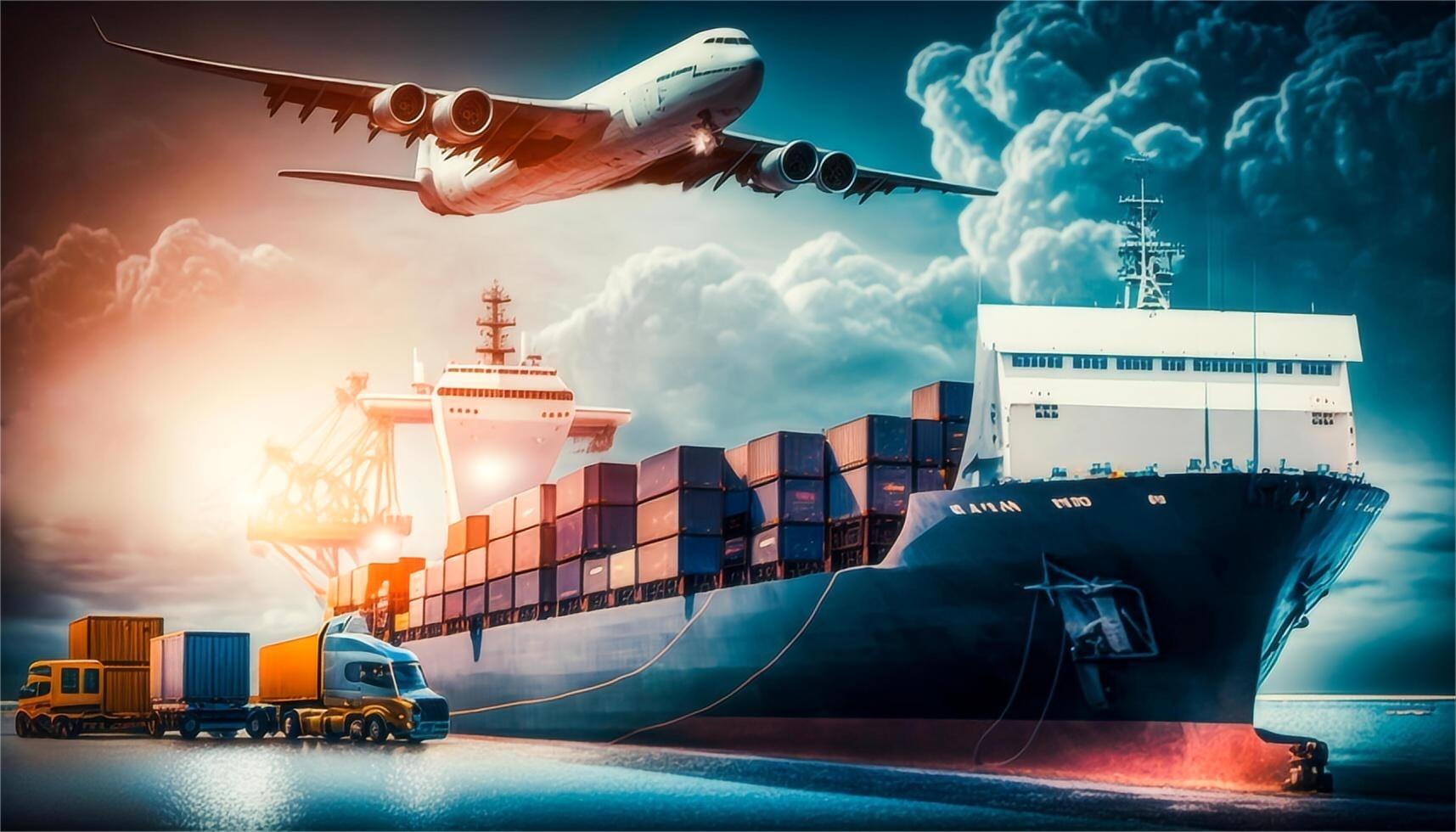
Understanding Shipping from China to France Customs Clearance
Importing goods from China into the European Union involves strict adherence to French customs regulations. First, you must ensure your EORI number is active and valid for all European trade activities. Additionally, correct HS code classification is paramount to determine the accurate duty and tax rates applicable to your specific products.

Preparation remains the most effective tool for avoiding costly delays at the border. Many importers rely on professional customs brokerage services to handle the intricate paperwork and communication with French authorities. Furthermore, having a clear understanding of the Incoterms used in your contract helps define exactly when liability transfers during the transit process.
Choosing the Right Transport Method
Selecting the ideal freight method depends largely on your budget and the urgency of your delivery. For large-scale inventory, sea freight remains the most cost-effective solution for bulk shipments. Conversely, if your cargo requires rapid delivery, air freight provides the necessary speed to meet tight market demands.
Meanwhile, businesses seeking a middle ground between cost and speed often utilize rail freight as a reliable alternative. This method offers a sustainable and efficient transit time for goods moving across the Eurasian land bridge. Regardless of your choice, our door to door service ensures a seamless transition from the factory floor in China to your warehouse in France.
| Method | Cost | Transit Time | Best For |
|---|---|---|---|
| Sea Freight | Low | 30-40 days | Bulk Goods |
| Air Freight | High | 5-10 days | Urgent Items |
| Rail Freight | Medium | 18-22 days | Mid-Weight Goods |
How Does Sea Freight Compare to Other Shipping Options?
When evaluating shipping from China to France customs clearance, comparing modes is essential for fiscal health. While sea freight costs significantly less for large volumes, it requires longer lead times and careful inventory planning. In contrast, air freight is essential for high-value components or time-sensitive retail releases, despite the higher price point per kilogram.
Furthermore, rail freight serves as a strategic hybrid option. It is faster than maritime transport but cheaper than aviation. We recommend analyzing your specific volume thresholds to determine when to switch between these modes to optimize your logistics spend.
Summary of Shipping from China to France
Successfully managing shipping from China to France customs clearance involves careful documentation, accurate HS code usage, and choosing the right logistics partner. By leveraging professional services, you can mitigate risks associated with international trade regulations. Indeed, with the right strategy in place, your business can maintain a competitive edge in the European market throughout 2026 and beyond.
Ready to streamline your logistics?
Ready to simplify your international logistics? Contact the experts at Global Trade-Logistics today to request a custom quote and ensure your next shipment moves with ease. Visit our website to start your inquiry.
Frequently Asked Questions
What is an EORI number?
An Economic Operator Registration and Identification (EORI) number is a unique identifier required for all businesses importing or exporting goods into or out of the European Union.
How are customs duties calculated?
Duties are calculated based on the CIF value of your goods, which includes the cost of the product, insurance, and freight charges, multiplied by the specific tariff rate of your HS code.
What documents are required for customs?
Essential documents include the commercial invoice, packing list, bill of lading or air waybill, and a certificate of origin for the imported items.
Can I ship personal items via freight?
Yes, but personal effects are subject to different tax regulations and documentation compared to commercial goods. Consult with a broker to ensure compliance.
How long does customs clearance usually take?
Clearance typically takes between 1 to 5 days, provided all documentation is accurate and complete. Complications or inspections can extend this timeframe.
What happens if my goods are held at customs?
Goods may be held for document verification or physical inspection. Promptly providing requested information to your broker is the best way to resolve these delays.