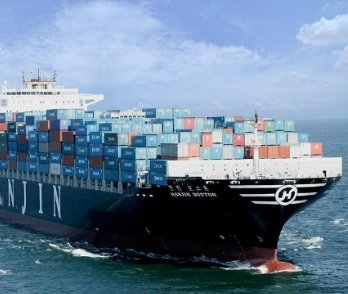
Global Trade Logistics provides top-tier shipping services from China to Monaco, ensuring seamless and dependable transport for your cargo. Our expert team carefully optimizes routes to guarantee swift delivery while managing each phase with precision. With cutting-edge technology, we offer real-time tracking and maintain clear communication throughout the entire process. Offering tailored services and dedicated support, Global Trade Logistics handles the complexities of international shipping, ensuring your goods reach Monaco safely and on time, supporting your global business needs.
Trust Global Trade Logistics for dependable sea freight services from China to Monaco. We offer comprehensive end-to-end solutions that ensure smooth, timely delivery while providing cost-effective options tailored to your specific cargo needs. With our expertise, we guarantee safe, efficient, and reliable transport for every shipment.
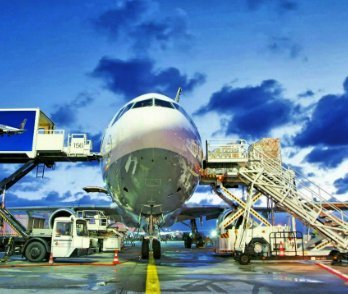
Global Trade Logistics offers premium air freight services from China to Monaco, ensuring fast and reliable delivery of your cargo. With our experienced team, we provide customized solutions designed to meet your unique shipping needs, guaranteeing efficient, secure, and on-time deliveries every time.

Global Trade Logistics provides reliable rail freight services from China to Monaco, offering tailored logistics solutions for secure and timely delivery. Our services ensure seamless transit, balancing efficiency and cost-effectiveness to handle your cargo with precision and professionalism on every shipment.

Global Trade Logistics offers trusted Full Container Load (FCL) shipping from China to Monaco, providing secure and efficient transport for your full container shipments. Our experienced team manages the entire logistics process, ensuring smooth handling and punctual delivery from start to finish. With our vast network and industry expertise, we streamline customs clearance, ensuring your cargo reaches Monaco safely and on time. Offering competitive pricing, clear communication, and customized services, Global Trade Logistics enhances your supply chain and offers peace of mind with every international shipment.
Global Trade Logistics offers customized Less than Container Load (LCL) shipping from China to Monaco, providing cost-effective and efficient solutions for smaller shipments. Our expert team oversees precise cargo consolidation and logistics management, ensuring flexible schedules and competitive rates. With regular departures and reliable transit times, we guarantee timely delivery of your goods to Monaco. Count on Global Trade Logistics for seamless coordination, transparent communication, and professional handling, optimizing your supply chain with dependable LCL shipping.
Global Trade Logistics operates a highly fuel-efficient pickup network across China, helping you reduce transportation costs while actively supporting environmentally responsible logistics through optimized routing and green operating practices.
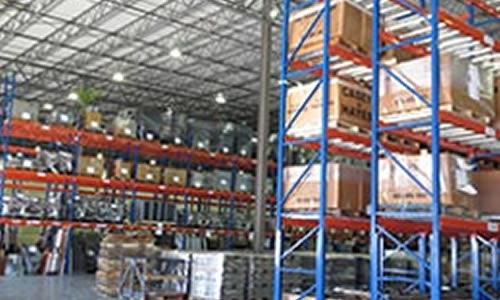
We provide complimentary warehouse storage for all your cargo, ensuring convenient and cost-free holding solutions for your goods.
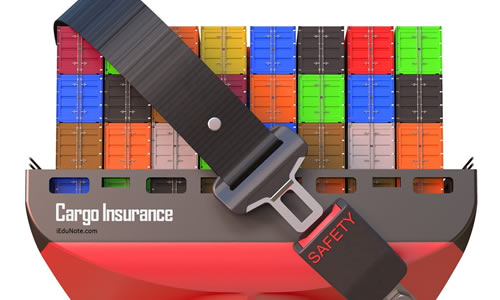
Cargo insurance provides full protection for your shipment from origin to final delivery at any designated FBA warehouse, ensuring complete coverage throughout the entire journey.

We handle all paperwork and other details for you.
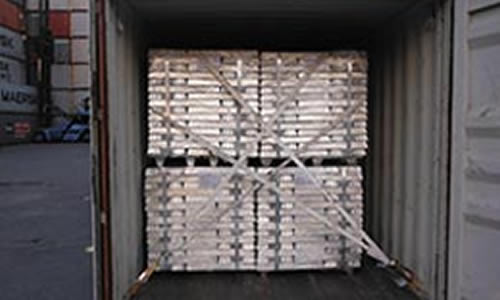
We ensure all goods are securely packed and professionally loaded at your supplier’s factory to minimize risk and protect cargo throughout transportation.
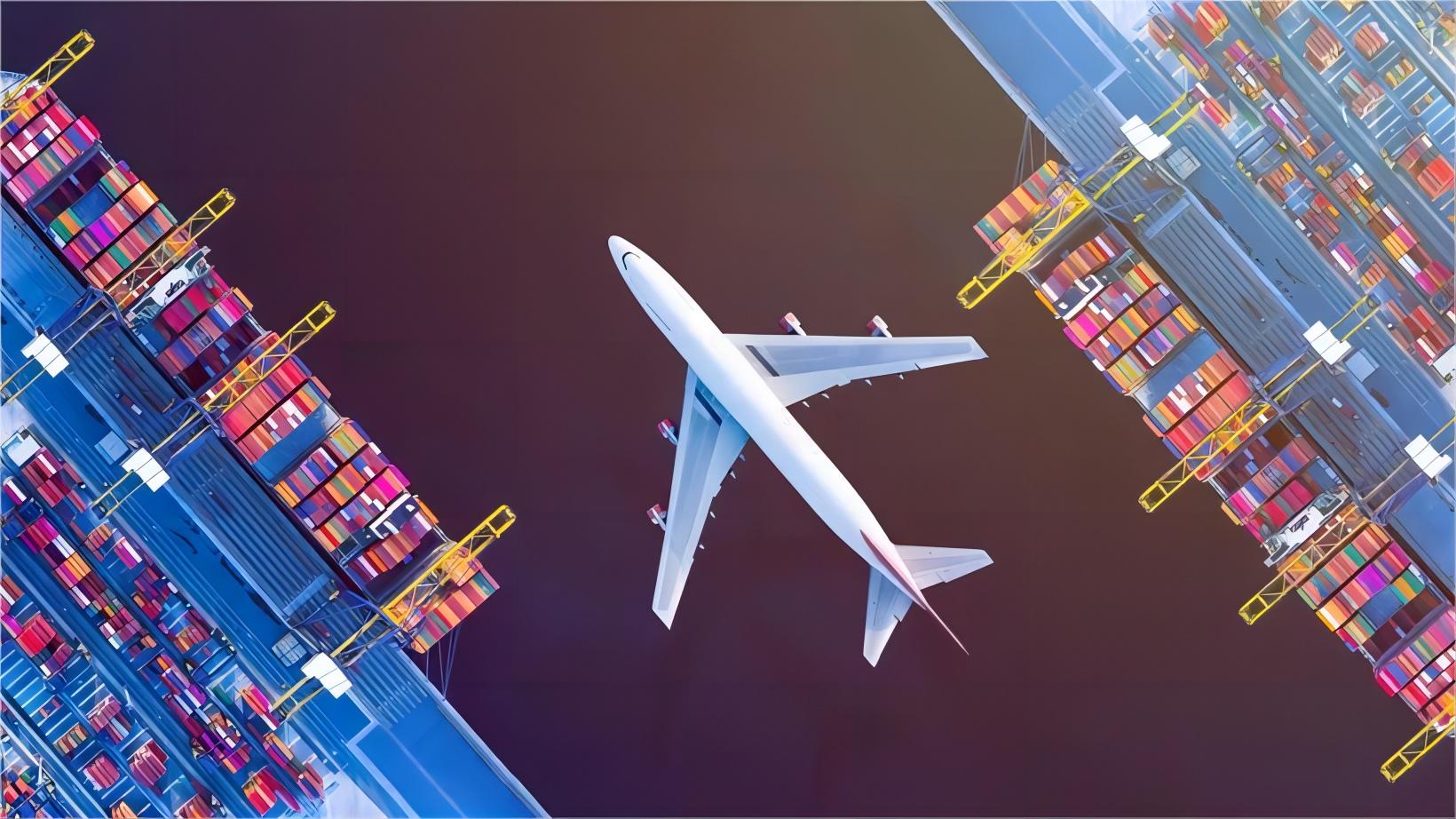
Shanghai offers several advantages for international shipping. As one of the world's largest and most efficient ports, it provides extensive connectivity with major global trade routes. The port’s advanced infrastructure facilitates quick turnaround times and efficient cargo handling. Additionally, Shanghai’s location in Eastern China allows for streamlined access to key manufacturing regions, making it an ideal hub for exporting goods globally.
Port Hercules in Monaco is designed to accommodate luxury yachts and high-end vessels, thanks to its deep-water berths and modern facilities. Its strategic position along the French Riviera attracts affluent clientele, offering top-notch services and amenities. The port’s proximity to Monaco’s glamorous attractions enhances its appeal, making it a prime destination for luxury maritime traffic and high-profile events.
Several factors influence the choice of departure ports in China, including location, infrastructure, and cargo volume. Ports like Shanghai are favored for their strategic location along major shipping routes and their advanced facilities. Additionally, the efficiency of port operations, customs processes, and connectivity to transportation networks play crucial roles in determining the best port for specific shipments.
Monaco’s port facilities, particularly Port Hercules, are equipped to handle large cruise ships with advanced docking systems and passenger amenities. The port provides secure mooring, customs services, and easy access to Monaco’s attractions. Its deep-water berths and specialized infrastructure ensure that even the largest cruise liners can dock safely and comfortably, enhancing the overall passenger experience.
Shenzhen and Guangzhou are pivotal in China’s export sector. Shenzhen is renowned for its high-tech and electronics exports, benefiting from its proximity to Hong Kong and its sophisticated logistics infrastructure. Guangzhou, with its robust port facilities, supports a diverse range of exports, including manufactured goods and textiles. Both cities contribute significantly to China’s global trade network.
International regulations impact Chinese ports by requiring adherence to global standards for customs, security, and environmental practices. Ports must comply with international shipping regulations, such as the International Maritime Organization’s (IMO) guidelines, to ensure safe and environmentally friendly operations. This compliance affects cargo handling procedures, security measures, and operational protocols at ports.
Port Hercules implements several measures to ensure cargo safety, including strict security protocols, surveillance systems, and secure storage facilities. The port employs advanced monitoring technologies and has protocols in place for handling high-value or sensitive cargo. These measures help prevent theft, damage, and unauthorized access, ensuring the safety of goods and vessels.
Guangzhou’s port infrastructure is designed to handle high trade volumes efficiently. The port features multiple deep-water berths, advanced cargo handling equipment, and extensive warehousing facilities. This infrastructure supports quick loading and unloading operations, reducing turnaround times and accommodating large volumes of goods. The port’s connectivity to major transportation networks further enhances its capacity for high-volume trade.
Environmental considerations for shipping from China’s major ports include adherence to emission regulations, waste management, and pollution control. Ports are required to implement measures to reduce air and water pollution, manage waste disposal, and use eco-friendly technologies. Compliance with international environmental standards helps mitigate the ecological impact of shipping activities and promotes sustainable practices.
When selecting a port for luxury maritime traffic in Monaco, factors to consider include the port’s facilities, security measures, and proximity to high-end amenities. Port Hercules is preferred for its deep-water berths, security, and access to Monaco’s luxury attractions. Additionally, the port’s reputation, services provided, and its ability to handle large vessels efficiently are crucial in accommodating high-end maritime traffic.
Operations deal with the way the vehicles are operated, and the procedures set for this purpose, and policies. In the transport industry, operat ions and ownership of infrastructure can be either country.