
Door to Door Shipping China 2026 Italy: The Complete Logistics Guide
Navigating the complexities of door to door shipping china 2026 italy requires a forward-thinking approach to global trade. As market dynamics shift, businesses must seek reliable partners like Global Trade-Logistics to maintain a competitive edge. This comprehensive guide outlines the essential strategies for seamless delivery from Chinese factories directly to Italian doorsteps.
What are the Logistics Trends for Door to Door Shipping China 2026 Italy?
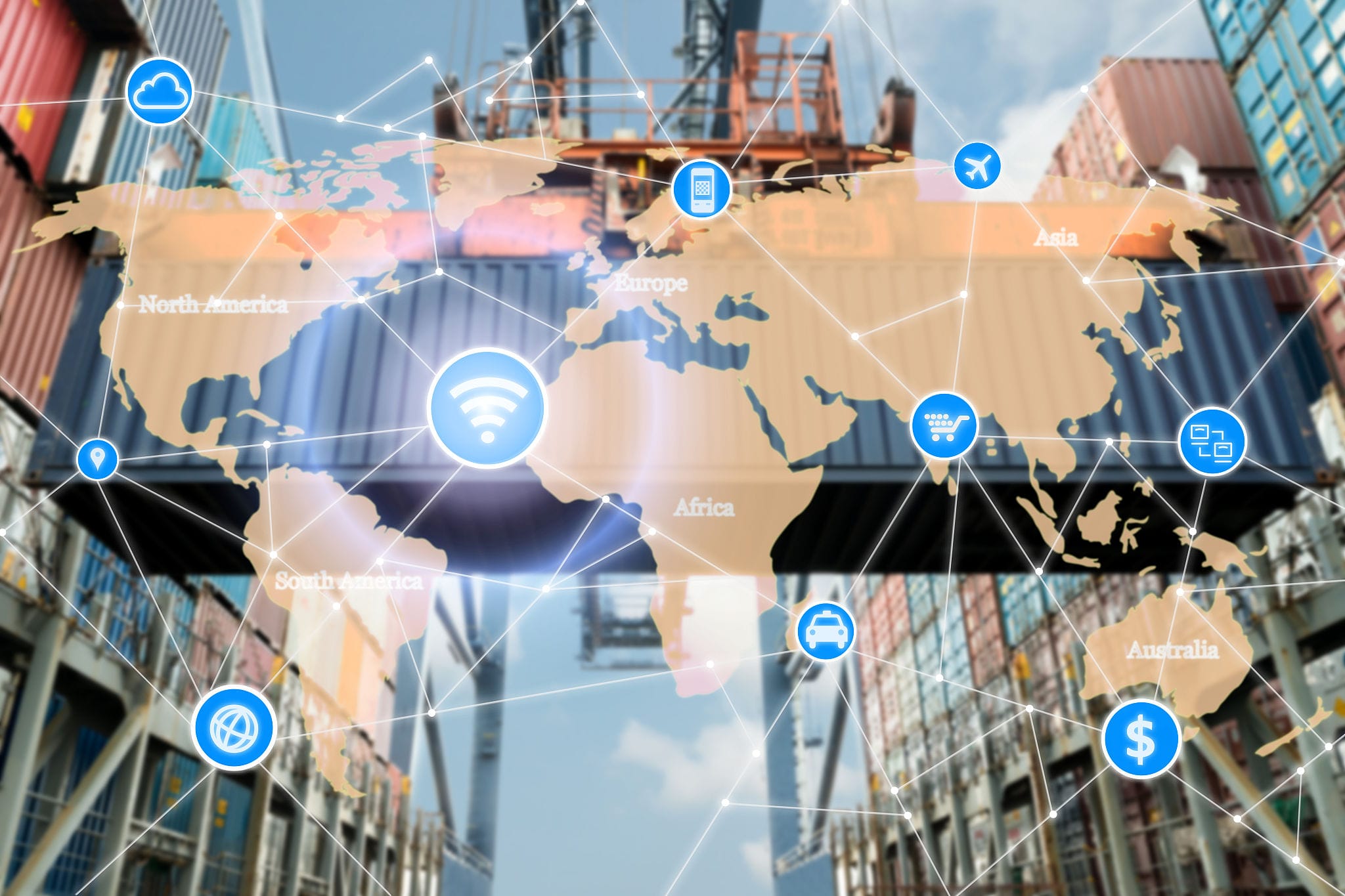
The landscape of international trade is evolving rapidly as we approach 2026. Consequently, shippers must adapt to new environmental regulations and digital tracking requirements. Italian importers are increasingly prioritizing transparency and sustainability in their supply chains. Therefore, choosing a logistics provider that utilizes green technology and real-time data is becoming a necessity.
Market intelligence suggests that freight rates will remain sensitive to global fuel costs and geopolitical stability. However, the expansion of Mediterranean port infrastructure is expected to improve discharge efficiency for vessels arriving from Asia. Additionally, the integration of artificial intelligence in route planning will likely reduce transit times for door-to-door services. Indeed, staying informed about these trends is crucial for budgeting and inventory management.
How Does Door to Door Shipping Compare to Other Shipping Options?
Choosing the right shipping method depends heavily on your specific business needs and budget constraints. While port-to-port services might seem cheaper initially, they often involve hidden costs and logistical headaches for the importer. In contrast, door-to-door solutions provide a comprehensive package that covers everything from factory pickup to final delivery. Furthermore, this method simplifies the process by providing a single point of contact for the entire journey.
For small to medium enterprises, the convenience of a managed service often outweighs the minor savings of DIY logistics. For instance, managing multiple carriers and customs agents can lead to costly delays and miscommunications. To summarize, door-to-door shipping offers a streamlined experience that minimizes risk and maximizes efficiency.
| Shipping Method | Cost Range | Transit Time | Best For | Limitations |
|---|---|---|---|---|
| Sea Freight (FCL) | $2,800 – $4,500 | 30 – 40 Days | Bulk Goods | Slower transit |
| Air Freight | $6 – $12 per kg | 5 – 8 Days | High Value | Expensive |
| Rail Freight | $180 – $300/CBM | 18 – 25 Days | Mid-range | Terminal congestion |
| Express Courier | $10 – $18 per kg | 3 – 5 Days | Samples/Urgent | Weight limits |
Is Sea Freight the Best Choice for Your Italy Shipments?
Ocean transport remains the backbone of trade between China and Italy due to its cost-effectiveness for large volumes. If you are moving heavy machinery or large quantities of consumer goods, sea freight is typically the most economical solution. Moreover, the availability of both Full Container Load (FCL) and Less than Container Load (LCL) options provides flexibility for different shipment sizes. Nevertheless, shippers must account for longer lead times when planning their inventory cycles.
During peak seasons, such as the months leading up to the end-of-year holidays, space on vessels can become limited. Consequently, booking your shipments at least 3-4 weeks in advance is highly recommended to avoid delays. Additionally, using DDP (Delivered Duty Paid) terms within a door-to-door framework ensures that all ocean freight and local delivery costs are handled by the forwarder. This approach provides price certainty in a fluctuating market.

Why Consider Air Freight for Urgent Cargo to Italy?
When speed is the primary priority, air freight offers the fastest connection between Chinese manufacturing hubs and Italian cities. This method is particularly suitable for high-value electronics, fashion items, or perishable goods that require rapid turnover. Furthermore, air transport significantly reduces the risk of damage or theft compared to longer sea voyages. Although the costs are higher, the reduction in inventory holding costs can often justify the investment.
Transit times for air cargo usually range from 5 to 8 days when including ground handling and customs clearance. However, it is important to note that air freight rates are subject to frequent fluctuations based on fuel prices and seasonal demand. Therefore, obtaining a real-time quote is essential for accurate financial planning. For shipments that are too large for express but too urgent for sea, air freight remains the premier choice.
How Does Rail Freight Serve as a Middle Ground?
The New Silk Road has established rail freight as a viable alternative for shipments to Europe. This method offers a perfect balance between the speed of air and the affordability of sea transport. For instance, cargo moving from Xi’an or Chengdu can reach Italian rail terminals in approximately 20 days. Consequently, many businesses are turning to rail to stabilize their supply chains without breaking the bank.
Rail shipping is also considered more environmentally friendly than air freight, aligning with modern sustainability goals. Additionally, the door-to-door rail service includes container drayage at both ends, ensuring a smooth transition from the tracks to the warehouse. However, it is vital to monitor potential congestion at border crossings like Malaszewicze. Despite these challenges, rail remains a strategic component of modern logistics.
What Documents Are Required for Italian Customs Clearance?
Navigating the bureaucracy of European imports requires precision and attention to detail. Utilizing a professional customs brokerage service is the most effective way to prevent costly hold-ups at the border. Essential documents typically include the Commercial Invoice, Packing List, and the Bill of Lading or Air Waybill. Moreover, certain products may require specific CE certifications or health certificates to enter the Italian market.
Errors in documentation can result in significant fines and storage fees at the port of entry. Therefore, verifying all paperwork before the cargo leaves China is a critical step in the door-to-door process. In addition, understanding the latest VAT regulations for 2026 will help you avoid unexpected tax liabilities. Indeed, a well-prepared document package is the key to a fast and compliant clearance process.
| Document Name | Purpose | Issued By | Criticality |
|---|---|---|---|
| Commercial Invoice | Value declaration | Seller/Exporter | Mandatory |
| Packing List | Cargo details | Seller/Exporter | Mandatory |
| Certificate of Origin | Duty determination | Chamber of Commerce | High |
| CE Certificate | Safety compliance | Manufacturer | Product specific |
Which Option Should You Choose for Your 2026 Strategy?
Selecting the optimal shipping strategy requires a careful analysis of your cargo’s characteristics and your business goals. If your priority is budget and you have high-volume shipments, sea freight is the clear winner. On the other hand, if you are launching a new product and need it in Milan immediately, air freight is the only viable path. For those seeking a compromise, rail freight provides a reliable second option.
Hybrid solutions are also gaining popularity in the logistics industry. For example, some shippers use sea-air combinations to balance costs and speed during peak demand periods. Additionally, specialized services like Amazon FBA logistics are essential for e-commerce sellers targeting the Italian market. Ultimately, the best choice is one that provides reliability, visibility, and a clear cost structure.
Realistic Case Studies for China to Italy Routes
Case Study 1: Smart Home Electronics. Route: Shenzhen to Milan. Cargo: 5 CBM of smart devices. Method: Rail Freight. Total cost: $1,850. Transit time: 22 days. This shipment utilized a door-to-door rail service to avoid the high costs of air freight while meeting a tight launch deadline. The client saved approximately 60% compared to air transport costs.
Case Study 2: Industrial Components. Route: Ningbo to Naples. Cargo: 20GP Full Container. Method: Sea Freight. Total cost: $3,400. Transit time: 38 days. By choosing a direct sea route, the importer minimized transshipment risks. The use of DDP terms allowed the buyer to receive the goods at their warehouse without handling any customs formalities directly.
Case Study 3: Fashion Apparel Samples. Route: Shanghai to Rome. Cargo: 150kg. Method: Express Service. Total cost: $1,650. Transit time: 4 days. Speed was the critical factor for this seasonal collection. The door-to-door express service ensured the samples arrived in time for a major trade show, demonstrating the value of premium logistics for time-sensitive cargo.
How to Reduce Your Shipping Costs in 2026?
Reducing logistics expenses requires a combination of smart planning and negotiation. One effective strategy is to consolidate multiple small shipments into a single LCL or FCL load. Furthermore, optimizing your packaging to reduce wasted space can significantly lower your freight rates. Additionally, shipping during the off-peak season can result in savings of up to 20% on ocean and rail transport.
Another approach is to negotiate long-term contracts with your freight forwarder to lock in stable rates. However, this requires a consistent shipping volume throughout the year. In contrast, staying flexible with your departure ports can sometimes reveal cheaper routing options. To summarize, proactive management and data-driven decisions are the best tools for cost control.
Final Thoughts on Italy-China Logistics
Successfully managing door to door shipping china 2026 italy involves balancing cost, speed, and reliability. By understanding the various freight options and preparing for customs requirements, you can ensure your goods arrive safely and on time. As the market continues to evolve, partnering with an experienced logistics provider will remain the most effective way to navigate the challenges of global trade.
Whether you choose the speed of air or the economy of sea, the key is to stay informed and adaptable. We encourage you to leverage the insights in this guide to build a more resilient and efficient shipping process for the years ahead.

Ready to streamline your logistics?
Planning your door to door shipping china 2026 italy strategy requires professional insight and reliable execution. Contact Global Trade-Logistics today to receive a personalized quote and discover how our end-to-end solutions can optimize your supply chain. Let us handle the complexity of international shipping while you focus on growing your business in Italy.
Request Quote