Shipping from China to Macedonia

Services

What we do

Services

img

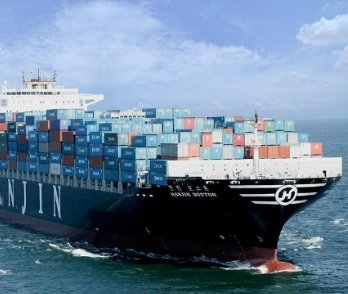
Sea Freight From China To Macedonia

Global Trade Logistics provides competitive ocean freight rates and tailored shipping solutions for cargo from China to all ports in Macedonia, including inland destinations. We adjust transit options to fit your unique timelines, ensuring cost-effective, reliable, and efficient delivery throughout the entire shipping journey.
img

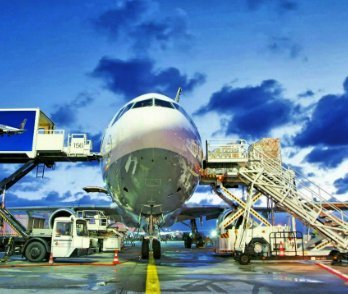
Air Freight From China To Macedonia

For air freight from China to Macedonia, Global Trade Logistics selects the best airline based on your shipment’s urgency and timeline. Trust us to deliver secure, efficient, and on-time air cargo services, ensuring your goods reach their destination safely and promptly.

img

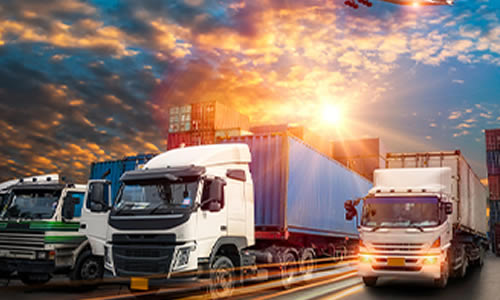
Door to Door Shipping from China to Macedonia

Global Trade Logistics offers complete door-to-door shipping from China to Macedonia, overseeing every stage of the process—including customs clearance—for both personal and business shipments. Count on us for a smooth, stress-free logistics experience that guarantees the safe and timely arrival of your cargo.
FCL Shipping from China To Macedonia

Global Trade Logistics utilizes long-term contract rates with top carriers to help lower your shipping costs. For FCL shipments from China to Macedonia, we provide efficient, reliable, and affordable logistics solutions, positioning us as your trusted freight partner.

LCL Shipping from China To Macedonia

Global Trade Logistics provides efficient consolidation and reliable transit for LCL shipments from China to Macedonia, ensuring smooth customs processing and secure, on-time, cost-effective delivery.

Features

More Services Shipping from China To Macedonia

img

Pickup and Delivery

Global Trade Logistics delivers highly efficient pickup solutions across China, ensuring minimal fuel consumption and optimized logistics performance for every shipment.
img

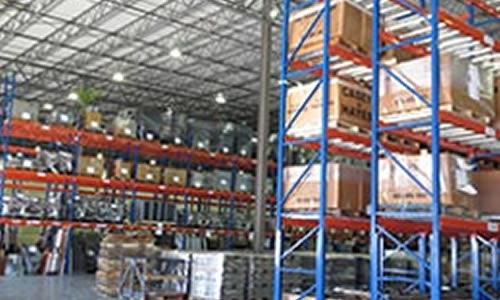
Warehousing

We offer complimentary warehousing solutions for all types of goods, ensuring secure and flexible storage at no additional cost.
img

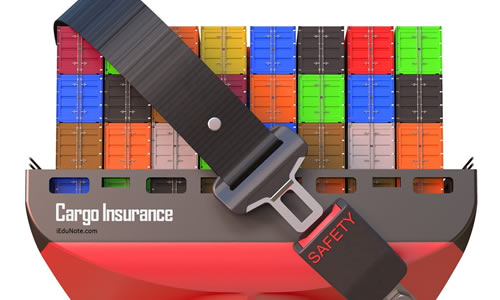
Cargo Insurance

Our cargo insurance ensures your shipment remains fully protected throughout its journey to any FBA warehouse.

img

Custom Clearance

We take care of all documentation and logistical details on your behalf.
img

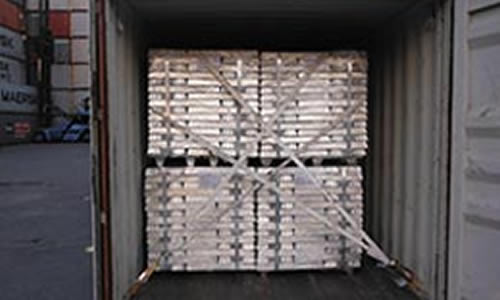
Loading Inspection

We guarantee secure packaging and proper loading of your goods directly at your supplier’s facility.

Here We Are

GET ANYTYPE QUOTE FROM HERE.

Your Best Freight Forwarder from China to Macedonia

  • Premium ocean freight (China → Macedonia): Reliable FCL/LCL shipping with optimized routes, efficient port handling, and cost-effective transit for timely delivery.
  • Competitive air freight (China → Macedonia): Swift, reliable air freight solutions with priority handling, ensuring secure, on-time deliveries for urgent shipments.
  • Professional China customs clearance: Expert documentation, HS code guidance, and smooth clearance to ensure fast, compliant entry into Macedonia.
  • Free warehousing & loading solutions: Complimentary storage, cargo consolidation, and optimized pallet/container loading to maximize efficiency.
  • Container loading supervision: On-site checks, quantity/condition verification, and secure loading to ensure cargo integrity throughout the shipping process.
  • Pickup & delivery across China: Nationwide pickups and dependable last-mile delivery to Macedonia, ensuring a seamless logistics process.
  • 24/7 online support: Real-time tracking, responsive customer service, and immediate assistance available at any stage of your shipping journey.
What customers also want to know

Professional Shipping from China to Macedonia: The Ultimate FAQ Guide

Choosing a freight forwarder requires evaluating their safety records, reliability, and customer reviews. Ensure they comply with international and local regulations and offer comprehensive tracking services. Investigate their insurance options and risk management practices. Additionally, consider their communication and transparency, ensuring they provide clear instructions and updates throughout the shipping process.

Proper packaging protects goods from damage during transit. Using durable containers for heavy items and sufficient padding for fragile goods prevents breakage. Secure packaging minimizes movement within the container, reducing the risk of damage. Additionally, appropriate labeling ensures handlers are aware of any special requirements, such as fragile or hazardous materials.

  1.  

Insurance protects against potential losses, theft, or damage during transit. It provides financial security, covering the value of the goods in case of unexpected incidents. Reviewing policy details ensures adequate coverage, and additional insurance may be necessary for high-value or sensitive items. This precautionary measure mitigates risks and ensures compensation in the event of mishaps.

International shipments must comply with customs, safety, and environmental standards. Accurate and complete documentation is crucial to avoid delays or fines. Regulations may include import/export licenses, product-specific standards, and restrictions on certain goods. Ensuring compliance with both Chinese and Danish regulations helps streamline the shipping process and prevents legal issues.

Tracking technology provides real-time updates on shipment status, location, and estimated delivery times. It allows for proactive management of any issues that arise during transit, such as delays or route changes. Real-time tracking also offers transparency, enabling communication with customers and ensuring they are informed about the progress of their shipments.

Essential security measures include using sealed containers, secure storage facilities, and monitoring during loading and unloading. Implementing tamper-evident seals and locks prevents unauthorized access. Employing surveillance and security personnel at storage and transit points enhances protection. These measures safeguard shipments from theft and unauthorized handling.

Risk assessments identify potential hazards during transit, such as adverse weather or logistical delays. By evaluating these risks, companies can develop contingency plans to mitigate their impact. This proactive approach ensures preparedness for unexpected events, reducing the likelihood of damage or delays and enhancing overall shipment safety.

Personnel should be trained in safety procedures, regulatory compliance, and emergency protocols. This includes handling hazardous materials, using proper packaging techniques, and responding to emergencies. Regular training updates ensure staff are aware of the latest regulations and best practices, enhancing the safety and efficiency of shipment handling.

Effective communication ensures all parties are informed about shipment details, instructions, and updates. Clear communication with freight partners, suppliers, and recipients helps address concerns promptly, preventing misunderstandings and delays. Transparency and timely updates build trust and ensure smooth coordination throughout the shipping process.

Continuous improvement involves regularly reviewing and enhancing safety practices based on feedback, incidents, and industry developments. This approach helps identify areas for improvement, implement new technologies or procedures, and adapt to changing regulations. Regularly updating safety practices minimizes risks, improves efficiency, and ensures the secure delivery of goods.

Don’t Take Our Words for it

Listen to What Our Clients Say about Our Freight Forwarding Service

Design Quality

Operations deal with the way the vehicles are operated, and the procedures set for this purpose, and policies. In the transport industry, operat ions and ownership of infrastructure can be either country.

Jon D. William
Founder of Mixbix

Features Availability

Operations deal with the way the vehicles are operated, and the procedures set for this purpose, and policies. In the transport industry, operat ions and ownership of infrastructure can be either country.

Warleman Joliues
Co-Founder Carion ltd

Customer Support

Operations deal with the way the vehicles are operated, and the procedures set for this purpose, and policies. In the transport industry, operat ions and ownership of infrastructure can be either country.


Sofia Harvey
Chairman News grove