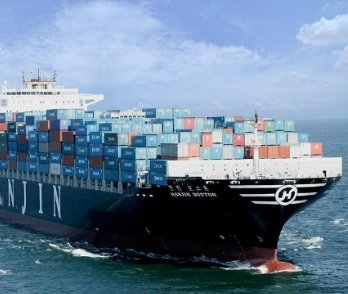
Global Trade Logistics offers reliable shipping services from China to Poland, delivering tailored logistics solutions for secure and timely transit. With optimized routing, real-time tracking, and personalized support, we ensure your cargo arrives safely and on time. Our cost-effective and efficient services simplify customs clearance and provide smooth, end-to-end transport. Trust Global Trade Logistics to handle your shipments with precision, boosting your business success in the Polish market.
Global Trade Logistics provides dependable sea freight services from China to Poland, offering customized FCL and LCL solutions for secure, efficient, and cost-effective shipping. Rely on our experience to ensure timely deliveries and smooth handling throughout the entire journey, from origin to destination.

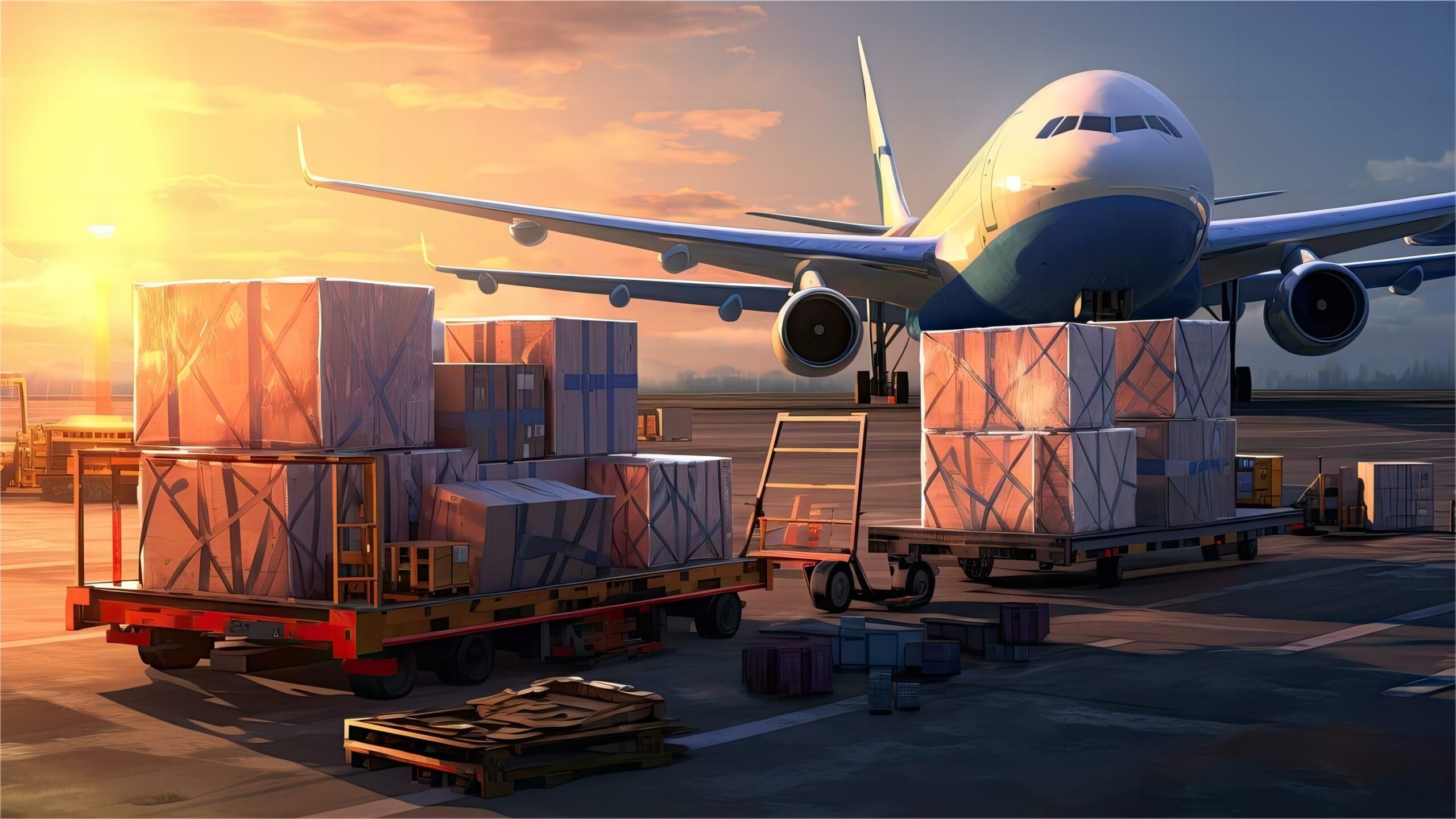
Global Trade Logistics offers fast and reliable air freight services from China to Poland, providing tailored solutions to guarantee on-time delivery. Our experienced team ensures secure handling and efficient transit, meeting your unique shipping needs with precision and professionalism.

Global Trade Logistics provides reliable rail freight services from China to Poland, offering a balanced approach of fast, cost-effective, and secure transportation. With tailored solutions, we ensure smooth transit, timely delivery, and expert management for every shipment.

Global Trade Logistics specializes in FCL (Full Container Load) shipping from China to Poland, delivering secure, efficient, and trustworthy transport for your full container shipments. Our experienced team manages every aspect—from booking and handling to customs clearance and final delivery—ensuring timely departures and smooth transit. With personalized logistics solutions and transparent communication, we provide cost-effective services and peace of mind. Trust Global Trade Logistics to safeguard your cargo and support seamless operations in the Polish market.
Global Trade Logistics provides tailored LCL (Less than Container Load) shipping from China to Poland, offering efficient and affordable solutions for smaller shipments. Our skilled team manages consolidation, scheduling, and logistics with precision, ensuring timely and reliable delivery. Through clear communication and seamless coordination at every step, we simplify the shipping process to Poland, making it hassle-free. Rely on Global Trade Logistics to optimize your supply chain and drive business growth with dependable LCL services.
Global Trade Logistics delivers highly efficient pickup solutions across China, ensuring minimal fuel consumption and optimized logistics performance for every shipment.
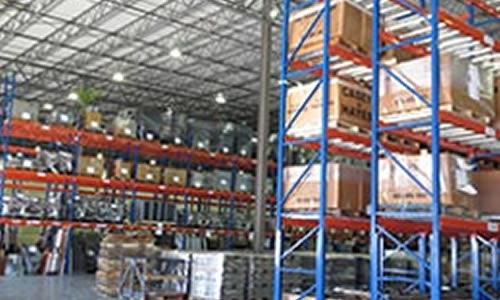
We offer complimentary warehousing solutions for all types of goods, ensuring secure and flexible storage at no additional cost.
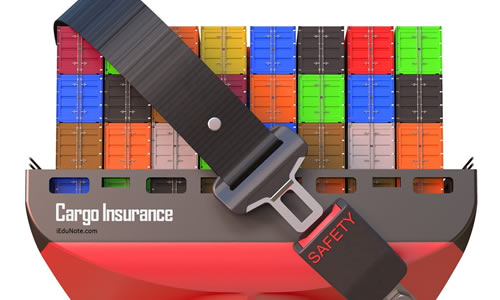
Our cargo insurance ensures your shipment remains fully protected throughout its journey to any FBA warehouse.

We take care of all documentation and logistical details on your behalf.
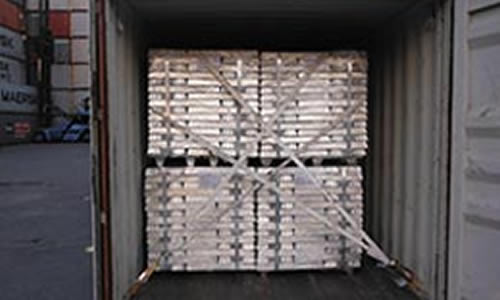
We guarantee secure packaging and proper loading of your goods directly at your supplier’s facility.
When selecting a freight forwarder, prioritize their reputation for reliability and safety. Review their track record, customer reviews, and safety protocols. Ensure they have experience with shipments to Poland and can handle the specific requirements of your cargo, including customs procedures and regulatory compliance.
Use high-quality, durable packaging materials tailored to your cargo type. For fragile items, include sufficient padding and cushioning. Employ secure and robust containers for heavier items. Proper packaging minimizes the risk of damage during transit and helps maintain the integrity of your goods.
Opt for comprehensive insurance coverage that includes protection against loss, theft, and damage. For high-value or sensitive items, consider additional insurance. Review the policy details thoroughly to ensure it meets your needs and covers all potential risks during transportation.
Ensure compliance with both international and Polish regulations, including customs, safety, and environmental standards. Prepare accurate and complete documentation, including import permits and certificates. Adhering to these regulations prevents delays and potential fines.
Real-time tracking provides visibility into your shipment’s location and status throughout the journey. This allows you to monitor progress, quickly identify and address issues, and keep stakeholders informed. It enhances transparency and helps ensure timely delivery.
Implement security measures such as using tamper-evident seals, secure packaging, and monitored storage facilities. Ensure that loading and unloading processes are supervised to prevent theft or unauthorized access. These measures safeguard your shipment against potential risks.
Conduct a thorough risk assessment to identify potential hazards, such as adverse weather or logistical delays. Develop contingency plans to address these risks effectively. Regularly review and update your risk management strategies based on current conditions and industry best practices.
Train personnel on safety protocols, regulatory compliance, and emergency response procedures. Ensure they understand proper handling techniques for various types of cargo, including hazardous materials. Proper training reduces the risk of accidents and ensures compliance with safety standards.
Establish clear and consistent communication channels with freight forwarders, suppliers, and recipients. Provide detailed instructions, update on shipment progress, and promptly address any issues or concerns. Effective communication helps to prevent misunderstandings and ensures a smooth shipping process.
Regularly evaluate your shipping processes and safety practices based on feedback, industry developments, and past incidents. Implement improvements to enhance efficiency, reduce risks, and optimize overall safety. Staying updated with industry trends and best practices helps maintain high standards in shipping operations.
Operations deal with the way the vehicles are operated, and the procedures set for this purpose, and policies. In the transport industry, operat ions and ownership of infrastructure can be either country.