

Shipping from China for Ecommerce: The Ultimate 2025 Logistics Guide
Navigating the complexities of shipping from china for ecommerce remains a significant challenge for modern online retailers aiming to scale their operations. Business owners frequently encounter hurdles such as fluctuating freight rates and complex customs regulations that can impact profit margins. By partnering with a reliable logistics provider like Global Trade-Logistics, you can streamline your supply chain and ensure your products reach customers efficiently. This guide provides actionable insights into selecting the best shipping methods and managing international logistics successfully.

Why is shipping from china for ecommerce essential for global growth?
Sourcing products from Chinese manufacturers allows ecommerce businesses to maintain competitive pricing while offering a diverse range of goods. Consequently, the efficiency of your logistics network directly determines your ability to meet customer expectations for delivery speed. Modern consumers demand transparency and reliability, making it vital to understand the nuances of international freight forwarding.
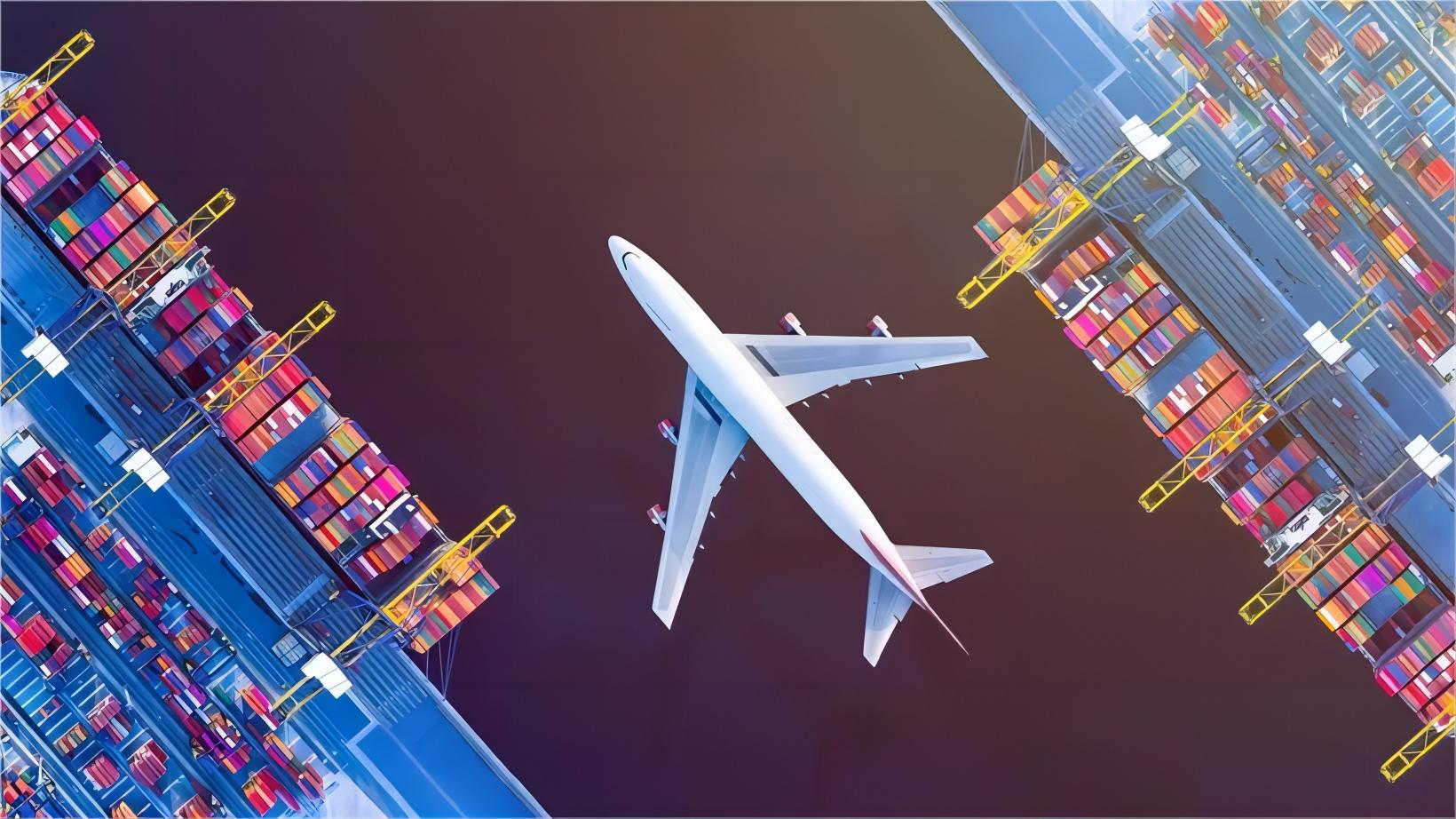
Furthermore, the global marketplace has become increasingly integrated, requiring sellers to adapt to rapid changes in demand and supply. Therefore, establishing a robust framework for shipping from china for ecommerce is no longer optional but a core requirement for survival. By mastering these logistics, you can reduce overhead costs and improve your overall brand reputation.
How Does Sea Freight Compare to Other Shipping Options?
Evaluating different transport modes is critical when optimizing your shipping from china for ecommerce strategy. Sea freight remains the most cost-effective solution for high-volume shipments, although it requires longer lead times than air or express options. In contrast, air freight offers speed but comes with significantly higher costs that can eat into small profit margins.
Moreover, businesses must weigh the trade-offs between cost and speed based on their specific inventory needs. Specifically, while a full container might take 35 days to reach Europe, an express shipment could arrive in just five days. Consequently, many successful retailers use a hybrid approach to balance their stock levels and shipping expenses.
| Shipping Method | Cost Range | Transit Time | Best For |
|---|---|---|---|
| Sea Freight | $1,500 – $4,500 per container | 25 – 45 Days | Bulk orders and large items |
| Air Freight | $4.00 – $9.00 per kg | 5 – 10 Days | High-value or urgent stock |
| Rail Freight | $2,000 – $3,500 per container | 15 – 22 Days | Mid-range speed for Europe |
| Express Service | $6.00 – $12.00 per kg | 3 – 5 Days | Samples and small parcels |
Choosing the Right Method for Your Ecommerce Inventory
Selecting the appropriate transport mode involves analyzing your product dimensions and total weight. For instance, sea freight is ideal for heavy furniture or large electronics that do not require immediate delivery. Nevertheless, smaller items like jewelry or specialized tech components often benefit from the speed of air transport.
Additionally, you should consider the seasonality of your sales cycles when booking shipments. During peak periods like Q4, port congestion can significantly delay sea shipments, making faster alternatives more attractive. Indeed, planning your inventory arrivals at least three months in advance can prevent stockouts during your busiest months.
How to Navigate Customs Clearance for Ecommerce Shipments
Handling the legal requirements of international trade is perhaps the most daunting aspect of shipping from china for ecommerce. Every shipment must clear customs in both the country of origin and the destination, requiring precise documentation. Utilizing a professional customs brokerage service can prevent costly delays and ensure compliance with local laws.
Moreover, incorrect labeling or missing invoices can lead to seized cargo or heavy fines from authorities. Therefore, you must ensure that your commercial invoices, packing lists, and bills of lading are perfectly accurate. Consequently, working with experts allows you to focus on marketing and sales while the logistics professionals manage the paperwork.
| Document Type | Purpose | Required By | Key Details |
|---|---|---|---|
| Commercial Invoice | Declares cargo value | Customs | HS codes, price, parties |
| Packing List | Details package contents | Port Authorities | Weight, dimensions, units |
| Bill of Lading | Contract of carriage | Carrier | Tracking and ownership |
| Certificate of Origin | Proves manufacturing site | Trade Agencies | Duty rate determination |
Optimizing Amazon FBA Logistics from China
Many online sellers rely on Amazon FBA to handle their storage and last-mile delivery. However, shipping directly from a Chinese factory to an Amazon fulfillment center requires strict adherence to Amazon packaging and labeling standards. Failure to comply with these rules can result in rejected shipments and additional processing fees.
Specifically, your freight forwarder must be experienced in FBA requirements to ensure a smooth transition from the port to the warehouse. In addition, using a consolidated shipping service can help reduce the per-unit cost for smaller sellers. Consequently, this allows even small businesses to compete with larger brands on the Amazon marketplace.
What are the Real Costs of Shipping from China?
Calculating the landed cost of your goods is essential for maintaining a healthy profit margin in ecommerce. Beyond the base freight rate, you must account for fuel surcharges, port handling fees, and insurance costs. Additionally, import duties and taxes vary significantly depending on the destination country and the product category.
To illustrate, shipping to North America might involve different tariff structures than shipping to other regions. As a result, you should always request a comprehensive quote that includes all door-to-door expenses. Note: Freight rates are subject to change based on fuel costs, carrier capacity, and seasonal demand. Contact us for a current quote tailored to your specific shipment.
Case Study Analysis: Real-World Ecommerce Shipping Scenarios
Case Study 1: Electronics to the United States. A California-based retailer imported 5 CBM of consumer electronics from Shenzhen via LCL sea freight. The cargo was shipped through a major carrier to the Port of Long Beach, with a total landed cost of $1,450. Despite minor port congestion, the total door-to-door time was 28 days, allowing the seller to restock before a major sale.
Case Study 2: Apparel to Europe. A German fashion brand utilized a 40HQ container to move seasonal inventory from Ningbo to Hamburg. Based on early 2025 market rates, the ocean freight cost was $3,900, with a total transit time of 34 days. The key insight was that booking four weeks in advance secured a lower rate during the pre-Lunar New Year rush.
Case Study 3: Furniture to Australia. An online furniture store in Sydney ordered a 20GP container of home office desks from Guangzhou. The sea transit took only 16 days, and the total door-to-door cost was approximately $1,850. This successful shipment highlights the efficiency of direct routes between China and major Australian ports.

Which Option Should You Choose? A Decision Framework
Deciding on a logistics strategy requires a clear understanding of your business priorities and budget constraints. If your primary goal is cost reduction for non-urgent inventory, sea freight is the logical choice for your shipping from china for ecommerce needs. On the other hand, if you are launching a new product and need to test the market quickly, air freight provides the necessary speed.
Furthermore, many businesses find success with door to door services that simplify the entire process. This method removes the burden of managing multiple carriers and customs agents, providing a single point of contact. Ultimately, the best choice depends on your volume, margins, and customer delivery promises.
Mastering Your Ecommerce Logistics Strategy
Successfully managing shipping from china for ecommerce requires a combination of strategic planning, reliable partnerships, and a deep understanding of market trends. By choosing the right transport mode and ensuring all documentation is accurate, you can significantly reduce transit times and costs. Remember that logistics is an ongoing process of optimization rather than a one-time setup.
As you scale your business, staying informed about changes in freight rates and customs regulations will remain vital. Partnering with a dedicated logistics expert allows you to navigate these changes with confidence and focus on growing your brand. Start optimizing your ecommerce shipping today to secure a competitive advantage in the global market.
Ready to streamline your logistics?
Ready to streamline your shipping from china for ecommerce and boost your profit margins? Contact Global Trade-Logistics today for a personalized quote and expert guidance on your international supply chain. Send Inquiry: https://globaltrade-logistics.com/contact-us/
Request Quote