

Sea Freight China Bulk Cargo: Complete 2025 Logistics Guide
Managing sea freight china bulk cargo requires a deep understanding of maritime logistics and port operations to ensure efficiency. Businesses looking to optimize their supply chain often turn to Global Trade-Logistics for comprehensive shipping solutions. This guide explores the complexities of transporting large volumes of raw materials and industrial goods across international waters.

What is Sea Freight China Bulk Cargo and Why Does It Matter?
Bulk cargo refers to commodities that are transported unpackaged in large quantities, typically filling an entire ship hold. Using sea freight for these shipments is often the most cost-effective method for moving minerals, grains, or chemicals. Consequently, understanding the nuances of this mode of transport is essential for global importers.
China serves as a central hub for dry bulk shipping from China due to its massive manufacturing and extraction capabilities. Furthermore, the infrastructure at major Chinese ports allows for rapid vessel turnaround and efficient international bulk shipping services. Therefore, companies can leverage these facilities to maintain a steady flow of raw materials.
Moreover, the scale of these operations helps reduce the per-unit cost of transportation significantly. As a result, industrial cargo transport via bulk carriers remains a cornerstone of the global economy. Indeed, the ability to move thousands of tons at once provides a competitive edge to large-scale manufacturers.
How Does Sea Freight China Bulk Cargo Compare to Other Shipping Options?
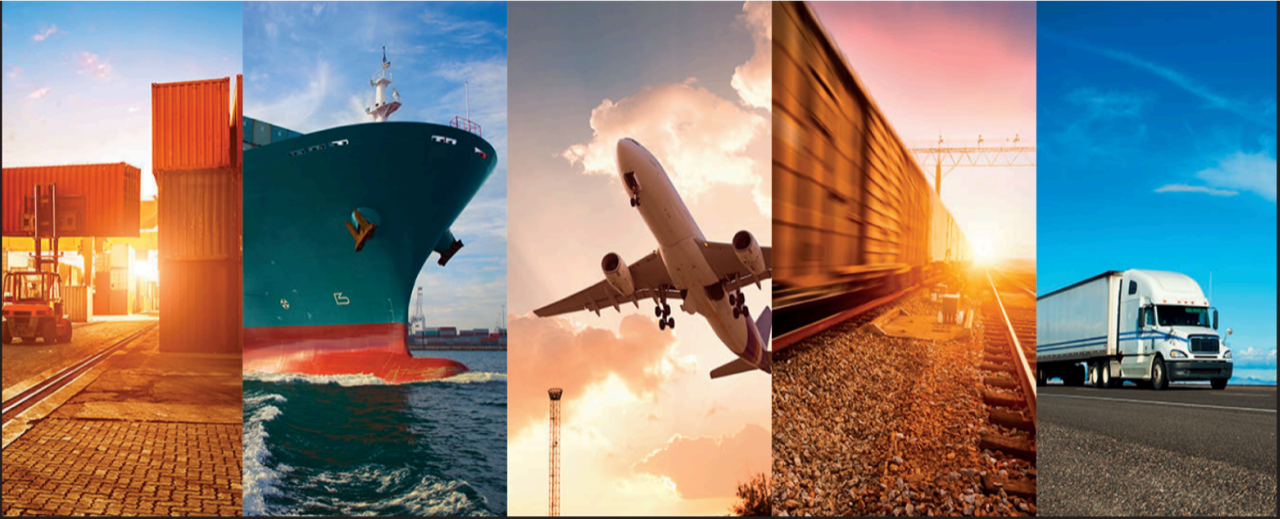
Choosing the right transportation method depends heavily on the volume, budget, and urgency of the shipment. While bulk carriers are ideal for raw materials, other methods like air freight offer speed for smaller, high-value items. However, the cost difference between these two options is usually substantial for large volumes.
Additionally, rail freight provides a middle ground for transcontinental shipments between China and Europe. Nevertheless, rail capacity is limited compared to the massive holds of a bulk carrier vessel. Specifically, sea freight remains the only viable option for commodities like iron ore or coal.
Meanwhile, small shipments might benefit from express service for documentation or samples. In contrast, bulk cargo handling requires specialized equipment and port berths that express services do not utilize. Consequently, a hybrid strategy is often used by large enterprises to balance speed and cost.
| Shipping Method | Cost Range | Transit Time | Best For | Limitations |
|---|---|---|---|---|
| Bulk Sea Freight | Low ($15-40/ton) | 25-45 Days | Raw Materials, Grains | Slow, high volume only |
| FCL Container | Medium ($1500-4000/cntr) | 20-35 Days | Finished Goods | Limited by box size |
| Rail Freight | Medium-High | 15-22 Days | Urgent Industrial Parts | Land routes only |
| Air Freight | Very High | 3-7 Days | Electronics, Samples | Weight/Volume limits |
Key Factors Influencing Bulk Cargo Shipping Rates from China
Market demand for vessel capacity plays a primary role in determining current bulk cargo shipping rates. For instance, during peak harvest seasons or industrial booms, the availability of bulk carriers may decrease, driving prices upward. Accordingly, savvy shippers often book their capacity months in advance to secure better pricing.
Furthermore, fuel prices and port congestion significantly impact the final landed cost of the cargo. If a vessel is delayed at a port of loading China, demurrage charges can accumulate quickly. Therefore, precise vessel laytime calculation is necessary to avoid unexpected financial penalties during the voyage.
Additionally, the type of cargo dictates the handling requirements and the specific vessel needed. For example, liquid bulk transportation requires tankers, while dry bulk uses traditional bulkers. Consequently, the specialized nature of these ships influences the freight rates offered by major carriers.
| Route | 20GP Container | 40HQ Container | Transit Time |
|---|---|---|---|
| China to Europe | $1,800-2,500 | $3,000-4,200 | 28-35 Days |
| China to USA West | $1,500-2,200 | $2,800-3,800 | 14-18 Days |
| China to USA East | $2,500-3,500 | $4,500-6,000 | 30-35 Days |
| China to Australia | $800-1,200 | $1,400-2,000 | 12-18 Days |
Essential Documentation for Bulk Cargo Customs Clearance
Navigating the regulatory landscape requires professional customs brokerage to ensure all paperwork is compliant. Specifically, bulk shipments often involve complex certificates of origin and quality inspection reports. Without these documents, cargo may be seized or delayed indefinitely at the destination port.
Moreover, the Bill of Lading serves as the primary contract between the shipper and the carrier. Indeed, this document must accurately reflect the weight and nature of the bulk goods loaded onto the ship. As a result, any discrepancies can lead to significant legal and financial complications for the importer.
Furthermore, environmental regulations regarding maritime bulk trade routes are becoming increasingly strict. Consequently, shippers must provide declarations regarding the environmental impact of certain minerals or chemicals. In addition, keeping a digital archive of all past shipments helps in auditing and future planning.
Best Practices for Cargo Handling and Vessel Chartering
Effective breakbulk cargo handling requires specialized stevedoring services China to ensure goods are loaded safely. For example, steel pipes or heavy machinery must be secured properly to prevent shifting during transit. Therefore, choosing a port with advanced heavy-lift capabilities is vital for project success.
Additionally, chartering vessels for bulk involves choosing between time charters and voyage charters. While a voyage charter is suitable for one-off shipments, a time charter offers more flexibility for ongoing projects. Consequently, companies must analyze their long-term shipping needs before committing to a specific contract type.
Furthermore, implementing robust bulk cargo insurance is a non-negotiable step in risk management. Since bulk shipments represent massive capital investments, protecting against maritime perils is essential. Indeed, even a minor accident can result in millions of dollars in losses if the cargo is not adequately insured.
Regional Routes: Shipping Bulk Cargo to Europe and North America
Shipping to Europe typically involves traversing the Suez Canal, which is a critical maritime bottleneck. However, recent disruptions have forced some carriers to reroute around the Cape of Good Hope. As a result, transit times have increased, making strategic planning more important than ever.
Similarly, shipments to North America focus on major hubs like Long Beach or Savannah. Furthermore, using a door to door service can simplify the transition from the port to the final inland destination. Therefore, integrated logistics solutions are highly recommended for complex bulk shipments.
Moreover, shipping to Australia is relatively faster due to the shorter geographic distance. Nevertheless, strict biosecurity laws in Australia mean that bulk cargo must undergo rigorous cleaning and inspection. Consequently, compliance with local regulations is just as important as the shipping process itself.
Case Studies: Real-World Bulk Cargo Success Stories
Case Study 1: Industrial Steel Export Route: Shanghai, China to Rotterdam, Netherlands Cargo: Steel Coils, 15,000 Metric Tons Container: Breakbulk Vessel Shipping Details: – Carrier: Major Bulk Carrier – Port of Loading: Shanghai – Port of Discharge: Rotterdam – Route Type: Direct via Suez Canal Cost Breakdown: – Ocean Freight: $450,000 – Origin Charges: $25,000 – Destination Charges: $30,000 – Customs & Duties: $85,000 – Total Landed Cost: $590,000 Timeline: – Booking to Loading: 10 days – Sea Transit: 32 days – Customs Clearance: 3 days – Total Door-to-Door: 45 days Key Insight: Pre-booking during the off-peak season saved the client 15% on freight rates.
Case Study 2: Agricultural Bulk Import Route: Tianjin, China to Long Beach, USA Cargo: Soybeans, 20,000 Metric Tons Container: Dry Bulker Shipping Details: – Carrier: COSCO – Port of Loading: Tianjin – Port of Discharge: Long Beach – Route Type: Direct Pacific Route Cost Breakdown: – Ocean Freight: $520,000 – Origin Charges: $18,000 – Destination Charges: $22,000 – Customs & Duties: $40,000 – Total Landed Cost: $600,000 Timeline: – Booking to Loading: 7 days – Sea Transit: 18 days – Customs Clearance: 2 days – Total Door-to-Door: 27 days Key Insight: Utilizing a direct route minimized cargo degradation and reduced transit time significantly.
Which Option Should You Choose? Decision Framework
Budget priority: If your primary goal is to minimize costs, sea freight china bulk cargo is the undisputed leader. Specifically, for shipments exceeding 500 tons, the economies of scale provided by bulk carriers are unmatched. Therefore, companies with flexible timelines should always prioritize this method.
Speed priority: If your cargo is time-sensitive, consider sea-air hybrid solutions or rail freight. However, keep in mind that these alternatives will significantly increase your shipping budget. Consequently, these methods are usually reserved for high-margin industrial components rather than raw commodities.
Cargo type considerations: Hazardous or liquid materials require specialized tankers and strict adherence to safety protocols. Indeed, not all vessels are equipped to handle every type of bulk cargo. As a result, verifying the carrier’s technical capabilities is a critical first step in the procurement process.
Final Thoughts on Bulk Shipping from China
To summarize, sea freight china bulk cargo remains the most efficient way to transport large volumes of industrial and agricultural products. By understanding the market trends, documentation requirements, and vessel types, businesses can significantly reduce their logistics overhead. Furthermore, partnering with experienced logistics providers ensures that common pitfalls like port congestion and customs delays are effectively managed.
As global trade continues to evolve, staying informed about maritime regulations and freight rate fluctuations is essential. Indeed, the strategic use of bulk shipping can provide a massive competitive advantage in the global marketplace. Therefore, start planning your next shipment today to take advantage of the current market conditions and secure your supply chain.

Ready to streamline your logistics?
Optimizing your sea freight china bulk cargo operations requires expertise and a reliable network of partners. Contact Global Trade-Logistics today to receive a customized quote and streamline your international shipping strategy. Send Inquiry: https://globaltrade-logistics.com/
Request Quote