
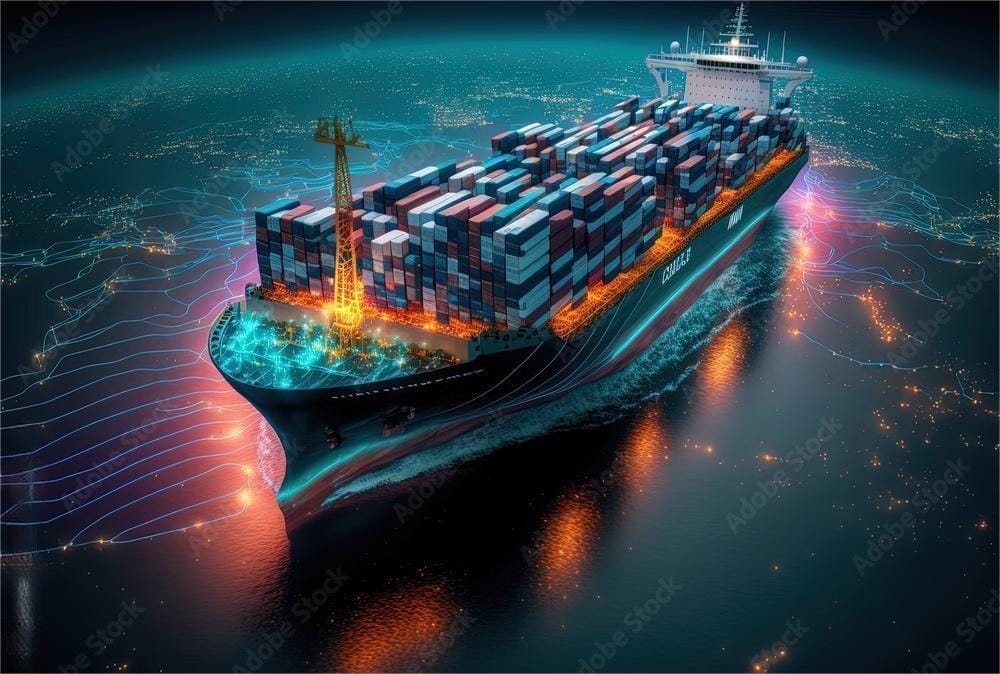
FCL Shipping China Door to Door Singapore: The Complete Logistics Guide
FCL shipping china door to door singapore offers businesses a streamlined way to move large volumes of cargo with maximum security and efficiency. By choosing Global Trade-Logistics, you gain access to a dedicated supply chain partner that manages every detail from the factory floor in China to your warehouse in Singapore. This comprehensive logistics solution eliminates the complexity of coordinating multiple carriers and simplifies the import process for growing enterprises.
What is FCL Shipping China Door to Door Singapore?
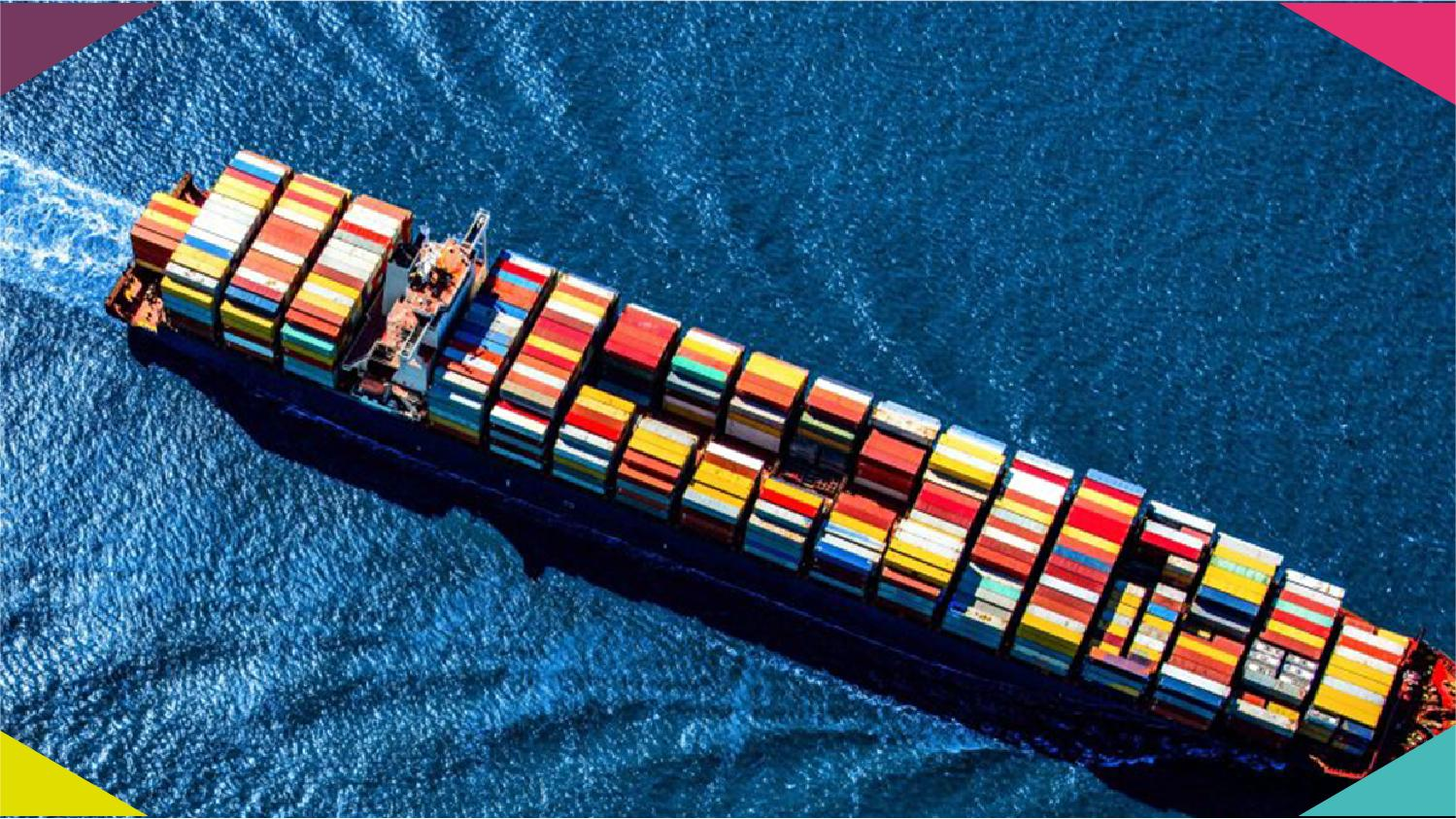
Full Container Load (FCL) refers to a shipping mode where one importer occupies an entire shipping container exclusively. This method provides a dedicated space for your goods, ensuring that no other shippers’ cargo is mixed with yours during transit.
Door to door service takes this a step further by handling the entire journey from the supplier’s location in China to the final destination in Singapore. Consequently, the freight forwarder manages trucking, export customs, ocean freight, and local delivery in one seamless package.
Importers often prefer this method when they have enough volume to fill a 20-foot or 40-foot container. It remains one of the most reliable ways to maintain a consistent delivery schedule while protecting sensitive or high-value items.
Benefits of Choosing FCL Shipping China Door to Door Singapore
Enhanced security is the primary reason why many businesses opt for FCL over other methods. Since the container is sealed at the point of origin, the risk of damage or theft during handling is significantly reduced.
Faster transit times are another major advantage because FCL shipments do not require the consolidation or deconsolidation processes associated with LCL. Your cargo moves directly from the port of loading to the port of discharge without extra stops.
Cost-effectiveness becomes apparent when shipping volumes exceed 15 cubic meters. Indeed, the price per unit of cargo is usually much lower in a full container compared to smaller, fragmented shipments.
Simplified tracking allows you to monitor your container’s movement with high precision. Most modern sea freight providers offer real-time data on the container’s GPS location and estimated arrival.
How Does FCL Compare to Other Shipping Options?
Choosing the right shipping method requires a careful analysis of your budget, timeline, and cargo volume. While FCL is excellent for large batches, other options might suit urgent or smaller requirements better.
Air freight offers the fastest delivery but comes at a much higher price point, making it suitable only for high-margin or time-sensitive goods. Meanwhile, LCL is better for small businesses that cannot fill a whole container.
Hybrid solutions can sometimes provide a balance between cost and speed. However, for the China-Singapore route, direct sea routes are typically the most logical choice due to the geographical proximity and high frequency of vessel departures.
| FCL (20GP) | $800 – $1,200 | 8 – 12 Days | Bulk goods and large inventory |
| LCL (Per CBM) | $50 – $90 | 12 – 15 Days | Small shipments under 15 CBM |
| Air Freight | $3.50 – $6.00/kg | 3 – 5 Days | Urgent electronics or samples |
| Express Service | $6.00 – $9.00/kg | 2 – 3 Days | Small documents and parcels |
Which Option Should You Choose for Your Cargo?
Budget priority dictates that you should lean toward FCL or LCL whenever possible. If you have more than 15 CBM of goods, FCL is almost always the cheaper and safer alternative.
Speed priority might force a switch to air freight if your production schedule has been delayed. This ensures you meet market demand despite the higher logistics expenses.
Cargo type considerations play a vital role in your decision. For example, fragile machinery or hazardous materials are much safer in a dedicated FCL container where handling is minimized.
Volume thresholds are the most common deciding factor for logistics managers. Once your shipment exceeds half the capacity of a 20GP container, the price gap between LCL and FCL narrows significantly.
Step-by-Step Process of Door to Door Logistics
The journey begins with the pickup of goods from the factory or warehouse in China. A specialized trucking team ensures that the container is loaded correctly and weighed for compliance with international standards.
Export customs clearance is the next critical phase where all documentation is verified by Chinese authorities. Our customs brokerage experts handle this paperwork to prevent any delays at the port.
Ocean transit follows as the container is loaded onto a major carrier vessel at ports like Shenzhen, Ningbo, or Shanghai. The ship then navigates the South China Sea toward the Port of Singapore, one of the world’s busiest hubs.
Final delivery occurs after the container passes through Singapore Customs and is transported by truck to your doorstep. This door to door approach ensures you do not have to worry about local port fees or independent trucking arrangements.
Key Documentation for Singapore Customs Clearance
Accurate documentation is the foundation of a smooth import process into Singapore. Missing or incorrect forms can lead to heavy fines and prolonged storage fees at the terminal.
The Bill of Lading serves as the contract of carriage and the title to the goods. You must also provide a detailed Commercial Invoice and a Packing List that matches the physical contents of the container.
Singapore requires a Cargo Clearance Permit (CCP) for all imports. Furthermore, certain goods might require additional licenses from agencies like the Singapore Food Agency or the Health Sciences Authority.
Customs duties and Goods and Services Tax (GST) must be calculated and paid promptly. Most businesses use a professional agent to manage these payments through the TradeNet system for faster processing.
| Bill of Lading | Proof of ownership | Carrier/Customs | At time of shipping |
| Commercial Invoice | Valuation for tax | Customs | Before arrival |
| Packing List | Inventory check | Warehouse/Customs | At loading |
| Import Permit | Legal entry | Singapore Customs | 2-3 days before arrival |
Factors Influencing FCL Shipping Costs from China
Freight rates are highly volatile and change based on fuel surcharges and global trade demand. For instance, rates typically spike during the peak season from August to October as retailers prepare for the holidays.
Container size is a direct cost driver, with 40HQ containers costing more than 20GP units but offering double the volume. You must calculate which size offers the best value for your specific cargo dimensions.
Port charges and terminal handling fees add to the total landed cost of your shipment. These fees vary between different ports in China, with Shanghai often having different structures than Shenzhen or Guangzhou.
Market intelligence suggests that as of early 2025, rates have stabilized after previous global disruptions. However, it is always wise to request a current quote to account for any sudden changes in carrier capacity.
Case Study 1: Electronics Distribution to Singapore
Route: Shenzhen, China to Jurong, Singapore. Cargo: Consumer electronics, 28 CBM, 12,000 kg. Container: 20GP. Shipping Details: Direct service via major carrier. Port of Loading: Shenzhen (Yantian). Port of Discharge: Singapore (PSA).
Cost Breakdown: Ocean Freight: $950. Origin Charges: $320. Destination Charges: $450. Customs and Duties: $1,200. Total Landed Cost: $2,920.
Timeline: Booking to Loading: 3 days. Sea Transit: 6 days. Customs Clearance: 1 day. Total Door-to-Door: 10 days. Key Insight: Using a direct route from Shenzhen minimized handling and ensured the fragile electronics arrived in perfect condition. Based on Q4 2024 market rates.
Case Study 2: Furniture Import for Singapore Retailer
Route: Ningbo, China to Tampines, Singapore. Cargo: Home furniture, 65 CBM, 18,000 kg. Container: 40HQ. Shipping Details: Direct route with premium carrier. Port of Loading: Ningbo-Zhoushan. Port of Discharge: Singapore.
Cost Breakdown: Ocean Freight: $1,650. Origin Charges: $400. Destination Charges: $550. Customs and Duties: $2,100. Total Landed Cost: $4,700.
Timeline: Booking to Loading: 4 days. Sea Transit: 10 days. Customs Clearance: 2 days. Total Door-to-Door: 16 days. Key Insight: Choosing a 40HQ container allowed the client to ship their entire seasonal inventory in one go, reducing the per-unit shipping cost significantly. Typical rates as of early 2025.
Alternative Strategies for Cost-Saving
Consolidating orders from multiple suppliers into one FCL container can save thousands of dollars in freight costs. Instead of paying for several LCL shipments, you can use a local warehouse in China to gather all goods before loading.
Off-peak shipping is another effective strategy for budget-conscious importers. If your inventory levels allow, try to avoid the weeks leading up to Chinese New Year when freight rates reach their annual peak.
Negotiating long-term contracts with a freight forwarder can provide price stability in a volatile market. Consequently, you can plan your retail pricing with more confidence without worrying about sudden shipping surcharges.
Using an express service for small, urgent components while keeping the bulk of your inventory in FCL is a smart hybrid approach. This ensures your production line never stops while you keep overall costs low.
Final Thoughts on FCL Shipping China Door to Door Singapore
Navigating the complexities of FCL shipping china door to door singapore requires a blend of market knowledge and reliable partnerships. By understanding the balance between cost, speed, and security, you can make informed decisions that benefit your bottom line.
Professional logistics management ensures that your cargo moves through customs without delays and reaches your warehouse safely. Whether you are shipping electronics, furniture, or industrial raw materials, FCL remains the gold standard for large-scale imports.
Note: Freight rates are subject to change based on fuel costs, carrier capacity, and seasonal demand. Contact us for a current quote tailored to your specific shipment.
Ready to streamline your logistics?
Streamline your supply chain today with our expert FCL shipping china door to door singapore services. Contact Global Trade-Logistics for a customized quote and experience hassle-free international trade. Visit our website to get started: Visit https://globaltrade-logistics.com/
Request Quote